Unverified Claims Circulate Regarding Alleged US Sanctions on ICC Judge
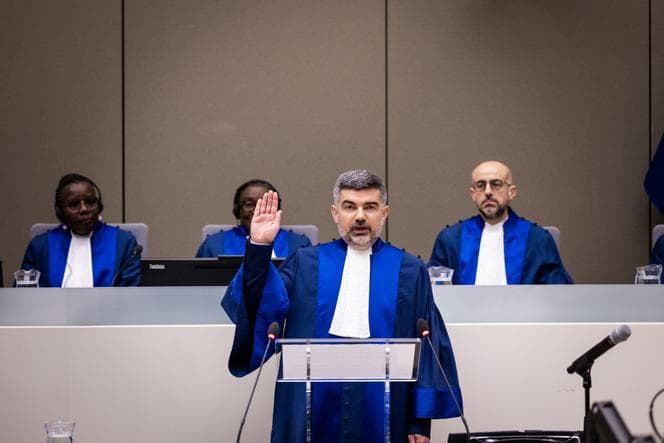
A recent social media post by Stewart Alsop, host of the "Crazy Wisdom Radio Show," has sparked discussion by alleging that International Criminal Court (ICC) Judge Nicolas Guillou is facing severe US sanctions, including the revocation of access to Microsoft emails, Amazon purchases, and global banking services. The tweet, which includes a French podcast clip, links these purported actions to Judge Guillou's approval of arrest warrants for Israeli leaders, describing the situation as a "real-world dystopia of corporate-state control" and drawing parallels to the Canadian truckers' protests.
"Nothing has changed, prepare yourself for what happened to the canadian truckers, Trump is the same as Biden," the post stated, further claiming, "The post shares a French podcast clip where speakers discuss US sanctions isolating ICC Judge Nicolas Guillou, who approved arrest warrants for Israeli leaders, by revoking his access to Microsoft emails, Amazon purchases, and global banking, portraying it as a real-world dystopia of corporate-state control."
However, official records and reputable news sources do not corroborate these specific claims regarding US sanctions against Judge Nicolas Guillou. While the United States has historically expressed strong opposition to the ICC's jurisdiction over non-member states like Israel and the US, there is no public evidence of such direct, personal sanctions being imposed on Judge Guillou.
Previous US administrations did implement sanctions against ICC officials. In 2020, under the Trump administration, sanctions were imposed on then-ICC Prosecutor Fatou Bensouda and another senior official in response to the court's investigation into alleged war crimes in Afghanistan involving US personnel. These sanctions included asset freezes and travel bans.
The Biden administration subsequently revoked these sanctions in April 2021, stating that the US would instead address its concerns regarding the ICC through diplomatic engagement. The US continues to maintain its stance against ICC investigations into Israeli or US personnel, asserting that neither country is a party to the Rome Statute and thus not subject to the court's jurisdiction.
The tweet's narrative, which connects the alleged sanctions to a broader theme of "corporate-state control" and references the Canadian truckers' financial restrictions, appears to be an interpretation presented within the social media post rather than a verified factual account of events concerning Judge Guillou. The absence of official confirmation or widespread reporting from established news organizations indicates that the claims made in the tweet regarding Judge Guillou's personal sanctions remain unsubstantiated.