US President Directs USDOT to Ease Kei Truck Regulations Amidst 7,500 Annual Imports
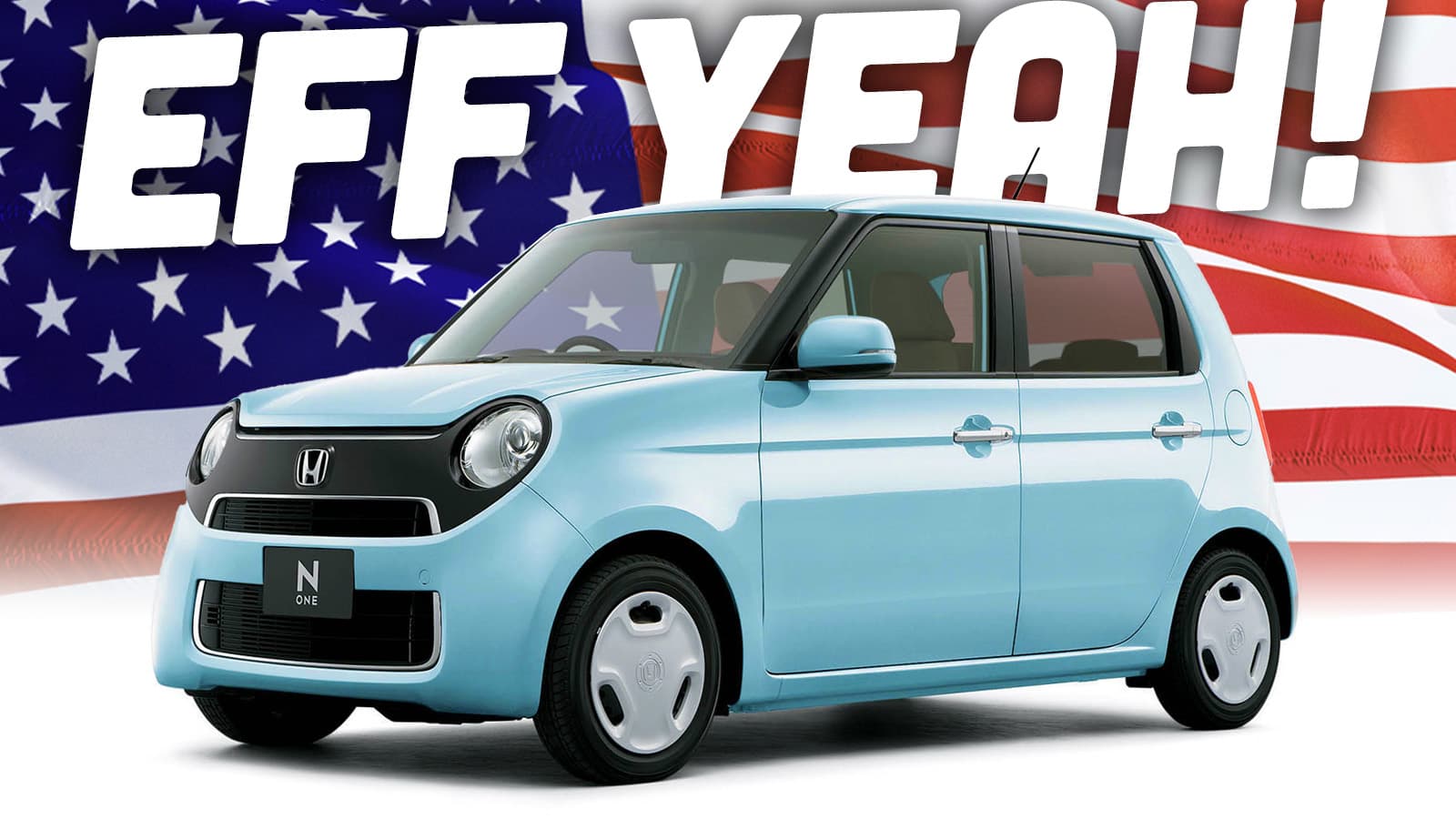
Washington D.C. – President Donald Trump has directed the U.S. Department of Transportation (USDOT) to clear regulatory hurdles for the domestic production and sale of Japanese Kei cars and trucks in the United States. The announcement, made during a briefing focused on fuel economy regulations, signals a potential shift in the American automotive market, which saw approximately 7,500 Kei trucks imported last year, tripling sales over the past five years. This move could pave the way for smaller, more urban-friendly vehicles.
The President expressed his admiration for the compact vehicles, describing them as "cute" and "beautiful" during a recent trip to Asia. He questioned why these affordable and efficient machines could not be sold in the U.S., prompting the directive to Secretary of Transportation Sean Duffy. While the primary objective of the briefing was to roll back Biden-era fuel economy standards, the focus on Kei vehicles introduced a contrasting discussion about smaller, more fuel-efficient transportation options.
Kei vehicles, or "kei-jidōsha," adhere to strict Japanese dimensional and engine displacement standards, typically featuring engines no larger than 660cc. Currently, federal law permits the import of Kei trucks that are 25 years or older without needing to comply with modern U.S. safety and emissions standards, leading to a growing enthusiast market. However, state-level regulations regarding their on-road legality remain a complex and often restrictive patchwork.
The prospect of wider availability has sparked public interest, with social media discussions highlighting the desire for such vehicles. One notable comment from Matt Brezina stated, "All this talk about trump deregulating Kei Trucks I want an electric Kei Van! Finally a narrow family vehicle that fits in an urban garage! How soon @Toyota ??" This sentiment underscores a demand for compact, efficient, and potentially electric options suitable for urban environments.
For new Kei vehicles to be sold in the U.S., they would likely need to be manufactured domestically, requiring Japanese automakers like Toyota and Honda to invest in U.S. production facilities. This presents a significant challenge, as the appeal of Kei vehicles largely stems from their niche utility and novelty, rather than mainstream transportation needs. The directive highlights a tension between deregulation efforts and the growing interest in smaller, more sustainable vehicle choices for American consumers.