Valor Equity Partners Reaches $26 Billion AUM, Driven by First-Principles Investing
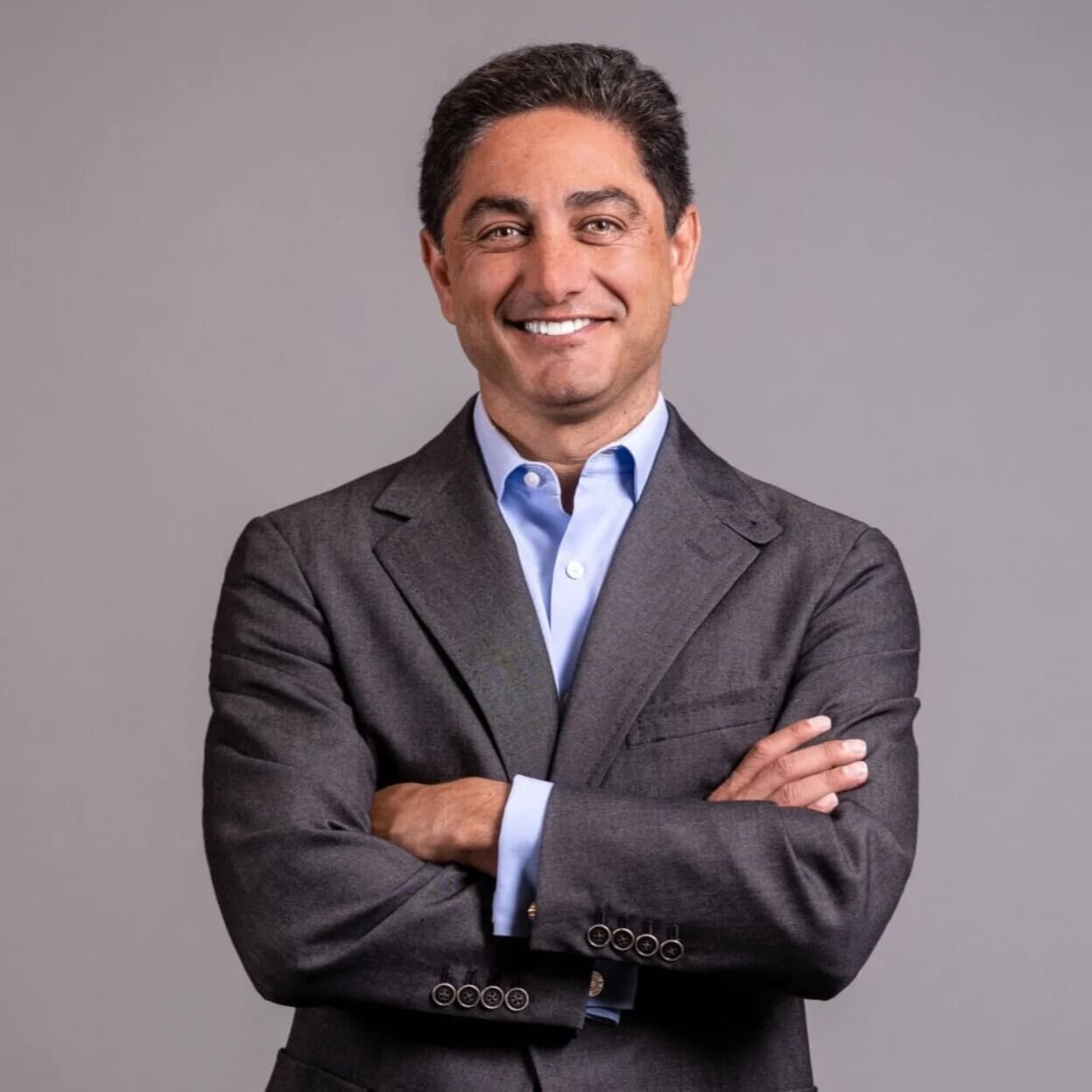
Antonio Gracias, founder of Valor Equity Partners, leads a firm now managing approximately $26.0 billion in capital, solidifying its position as a significant player in the investment landscape. A recent conversation with Gracias highlighted his distinctive "first-principles thinking" investment framework, which he attributes to his background in physics and a deep understanding of operational dynamics. This approach has been instrumental in Valor's strategy of identifying and scaling complex businesses.
Gracias's firm, established in 1995, is renowned for its hands-on operational growth strategy. Valor's in-house "Scale Group" provides direct support to portfolio companies, a method Gracias honed through early entrepreneurial ventures. Notably, while attending law school, Gracias acquired and successfully grew small industrial companies, demonstrating an early aptitude for transforming businesses.
His long-standing relationship with Elon Musk is a testament to his foresight, as Valor was an early investor in both Tesla and SpaceX. Gracias served as a close partner to Musk for over a decade, helping to guide these companies through critical development phases. Valor continues to back category-defining companies across diverse sectors, including aerospace, robotics, energy, manufacturing, and artificial intelligence.
The firm recently announced the final closing of its oversubscribed flagship Fund VI at $2.35 billion, alongside an additional $1 billion in new commitments for other managed funds, including Valor Siren Ventures II and the Valor Opportunity Fund. These fundraises underscore strong investor confidence in Valor's "pro-entropic" investment philosophy, which seeks companies capable of performing and growing across various economic cycles. Gracias emphasized the evolving nature of venture capital, noting that virtual tools are now broadening access to capital beyond traditional hubs, though the fundamental assessment of technology and leadership remains paramount.