Victoria Woodhull: First Woman to Run for U.S. Presidency in 1872, Defied Social Norms
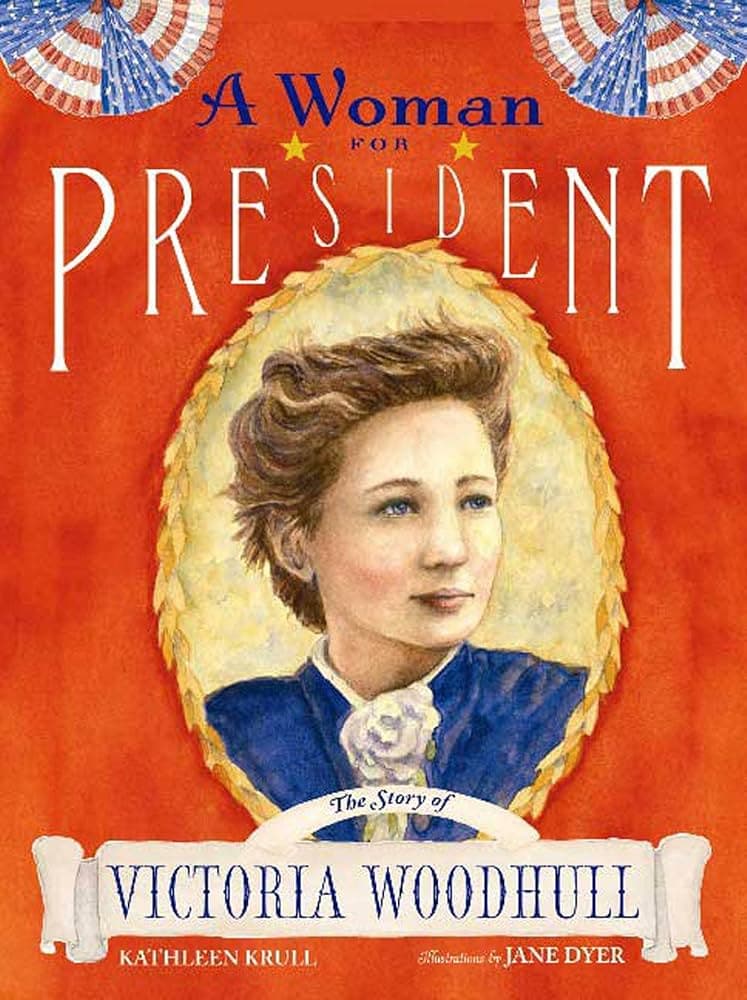
Victoria Woodhull, a figure described by The Wall Street Journal as a "spiritualist, newspaper publisher and political activist," made history in 1872 as the first woman to run for the United States presidency. Her audacious bid for the nation's highest office, decades before women secured the right to vote, marked a significant challenge to 19th-century social and political conventions. Nominated by the newly formed Equal Rights Party, Woodhull's campaign underscored her lifelong commitment to radical social reforms and women's rights.
Born in Ohio in 1838, Woodhull's early life was marked by poverty and a traveling medicine show. Alongside her sister, Tennessee Claflin, she became the first woman to open a brokerage firm on Wall Street in 1870, earning the moniker "Queens of Finance." The sisters leveraged their financial success to launch Woodhull & Claflin's Weekly, a newspaper that championed progressive causes and notably published the first English version of Karl Marx's Communist Manifesto.
Woodhull's activism extended to advocating for women's suffrage, even testifying before the U.S. House of Representatives in 1871, arguing that women already possessed the right to vote under existing amendments. However, her outspoken support for "free love"—the belief in the freedom to marry, divorce, and bear children without social restriction—generated considerable controversy. This philosophy, coupled with her exposure of a prominent minister's alleged affair, led to obscenity charges and public backlash.
Her 1872 presidential campaign, with abolitionist Frederick Douglass as her unofficial running mate, faced significant hurdles. Woodhull was technically four years shy of the constitutional age requirement of 35, and her radical views alienated many, including some mainstream suffragists. Legal troubles stemming from her newspaper's content culminated in her arrest on obscenity charges just days before the election, forcing her to spend Election Day in jail.
Despite her controversial public image, Woodhull's pioneering spirit left an indelible mark on American history. After divorcing her second husband and facing financial difficulties, she moved to England in 1877, where she later remarried and continued to advocate for social reform, albeit with a more conservative stance, including promoting eugenics. She passed away in 1927 at the age of 88, remembered as a complex and defiant figure who consistently challenged societal norms.