Warnings Intensify as T.co Links Fuel Surge in SMS Phishing Scams
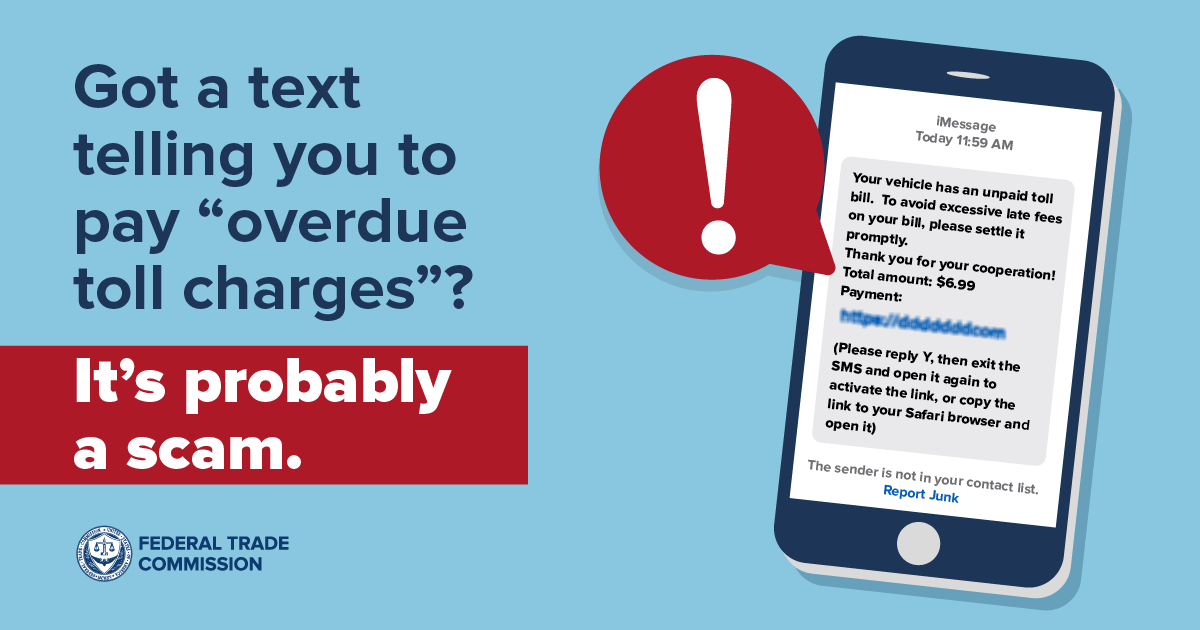
Public safety warnings are escalating regarding the widespread misuse of t.co URLs in sophisticated SMS phishing, or "smishing," campaigns. While t.co serves as X's (formerly Twitter's) legitimate URL shortener, its presence in unsolicited messages, particularly those impersonating delivery notifications, has become a critical red flag for potential fraud. The provided https://t.co/bIlvFk9kLQ link exemplifies the type of shortened URL frequently exploited in these schemes.
X employs t.co to condense links shared on its platform, a measure designed to protect users from malicious content and offer valuable analytics. However, cybercriminals leverage this trusted domain to mask the true destination of their links in fake "package delivery" or "account alert" texts. This deceptive practice often leads unsuspecting individuals to click, believing the link to be safe due to its association with a major social media entity.
Upon activation, these malicious t.co links redirect victims to fraudulent websites engineered to steal personal data, banking credentials, or implant malware onto their devices. Security experts emphasize that the perceived legitimacy of the t.co domain can bypass initial skepticism, making these scams highly effective. A 2017 study revealed over 10,000 unique blacklisted phishing and malware URLs posted to Twitter within two months, resulting in 1.6 million clicks directly from users.
Phishing remains a primary entry point for cyberattacks, with over 90% of successful hacks and data breaches originating from such scams. Statistics from 2023 indicate that social engineering, often involving deceptive links, contributed to 17% of data breaches. To mitigate risks, authorities advise extreme caution: never click on t.co links from unexpected SMS messages, and always verify information directly through official company websites or applications.