Waymo Secures 27% of San Francisco Ride-Hailing Market, Surpassing Lyft in Rapid Expansion
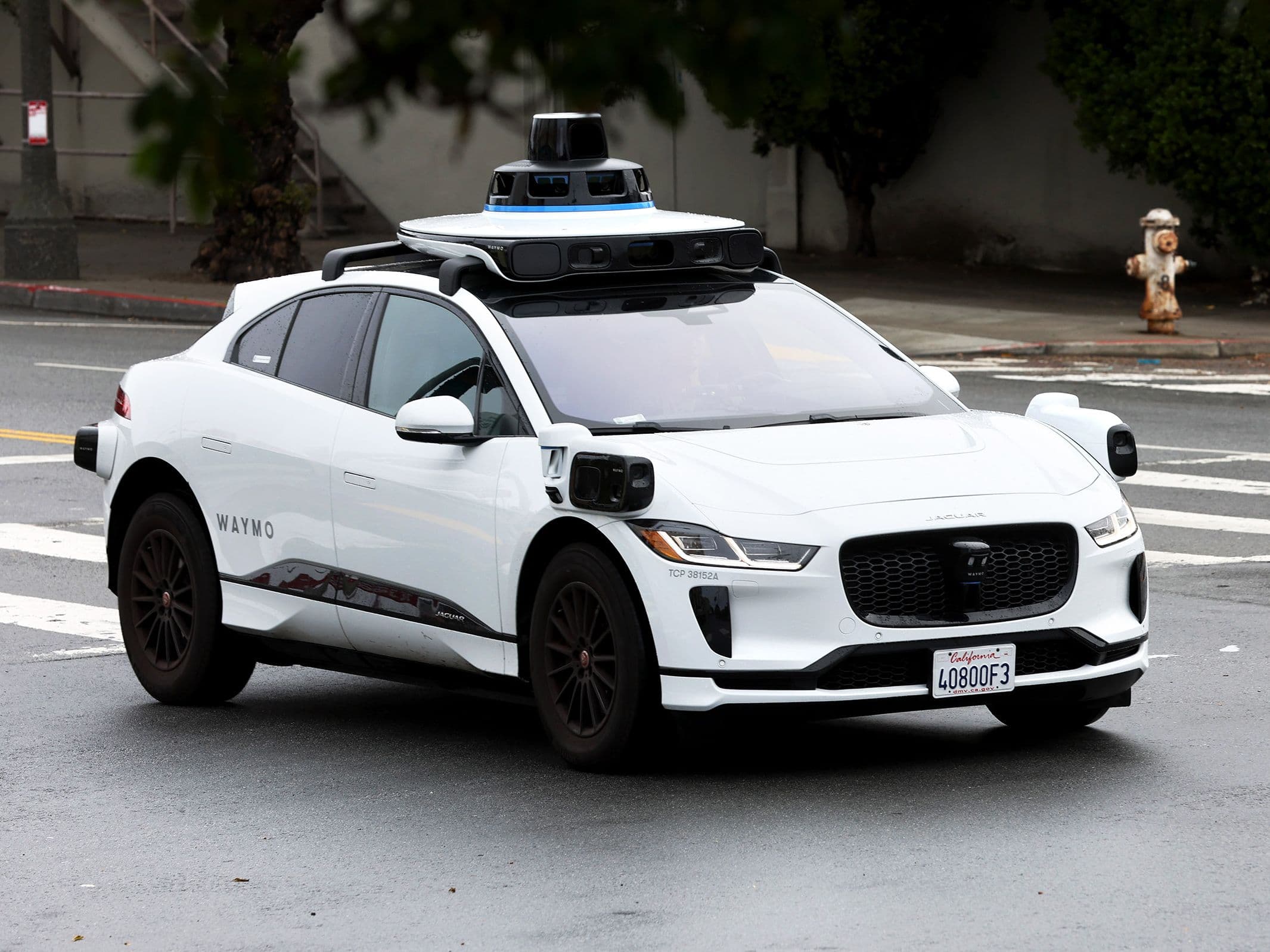
San Francisco, CA – Waymo, Alphabet's autonomous driving subsidiary, has rapidly expanded its presence in the city's ride-hailing market, now commanding an impressive 27% share. This significant growth, reported by YipitData and Bond Capital, positions Waymo ahead of traditional ride-sharing giant Lyft, marking a pivotal shift in urban transportation. The company's swift ascent underscores the increasing adoption of driverless technology in a major U.S. metropolitan area.
The latest figures indicate Waymo's market share has reached 27% within its San Francisco operating domain, a significant jump from earlier estimates. This rapid growth was foreshadowed by observations such as the one from Stefan Schubert, who noted on social media, "> Waymo has quickly captured more than 10% of the SF ride-sharing market." The company's expansion has directly impacted established players, with Waymo now surpassing Lyft, which held approximately 22% of the market in November 2024, while Uber maintains a dominant, though slightly reduced, share exceeding 50%.
Waymo's success is attributed to several factors, including the perceived safety of its driverless vehicles and the unique customer experience. University of San Francisco engineering professor Billy Riggs noted that "people quickly feel comfortable because they perceive these cars as safer than human-driven vehicles." A Waymo study covering over 56 million miles reported a 92% reduction in pedestrian-involved accidents and a 96% reduction in injury-causing collisions at intersections, contributing to public trust.
The autonomous vehicle sector has seen significant shifts, with Waymo solidifying its leadership following the collapse of competitor Cruise. Waymo launched its commercial service in San Francisco in 2023, opening to the general public just one year ago, and has since seen its fleet become a common sight. While Waymo has partnered with Uber in other markets like Austin, it operates independently in San Francisco.
Despite its rapid growth, the company faces challenges, including typically higher fares and longer wait times compared to human-driven services. The substantial cost of its vehicles, approximately $100,000 each, contributes to profitability remaining a distant goal for Alphabet's "Other Bets" division, which includes Waymo, reporting net losses of $1.2 billion in the first quarter. Waymo plans further expansion, with intentions to launch in Atlanta, Miami, and Washington by 2026, and an order for 2,000 additional electric Jaguar I-Pace vehicles.