Eastern European Nations Achieve 3.6-Fold Increase in Living Standards Post-Communism
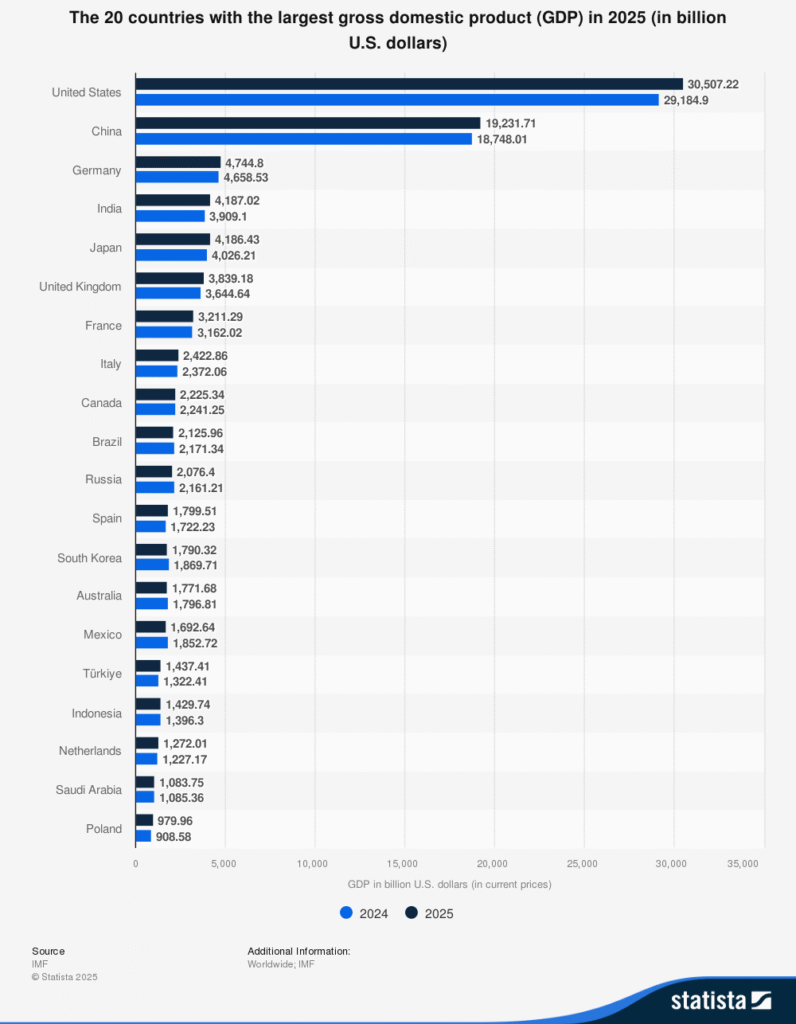
Eastern European countries have experienced a remarkable economic and social transformation since the fall of communist socialism, with nations like Poland witnessing a 3.6-fold increase in per capita income since 1990. This profound shift, recently highlighted by academic Stephen R. C. Hicks, underscores the region's successful transition from centrally planned economies to market-oriented systems, leading to significant improvements in living standards and global integration.
The communist era, characterized by state ownership and economic stagnation, left many Eastern European nations in a lower-middle-income bracket. However, following the revolutions of 1989, these countries embarked on extensive reforms, including privatization, market liberalization, and the establishment of democratic institutions. This transition, while initially challenging, paved the way for substantial growth.
Integration into the European Union proved to be a pivotal catalyst for many of these economies. EU membership provided access to vast markets, significant investment, and structural funds, accelerating modernization and economic convergence with Western Europe. Countries like the Czech Republic, Poland, and Hungary have rapidly risen in prosperity and global competitiveness, transitioning to high-income status within a few decades.
Poland stands out as a prime example, achieving an "economic miracle" with its GDP per capita in Purchasing Power Parity increasing by 240% between 1990 and 2023. This growth has been attributed to strong institutions, a well-educated workforce, and strategic reforms, including a cautious approach to privatization compared to some other post-Soviet states. The country's successful navigation of the post-communist landscape has resulted in higher levels of well-being and life satisfaction among its citizens.
Despite these successes, challenges persist, including demographic shifts, with some countries experiencing population decline due to emigration, and the ongoing need for institutional reforms to address issues like corruption and judicial independence. However, the overall trajectory demonstrates a dramatic improvement in economic prosperity and quality of life across much of Eastern Europe, a stark contrast to the pre-1989 period.