Managerial Roles Surge 3x Since 1983, Sparking Debate on Organizational Efficiency
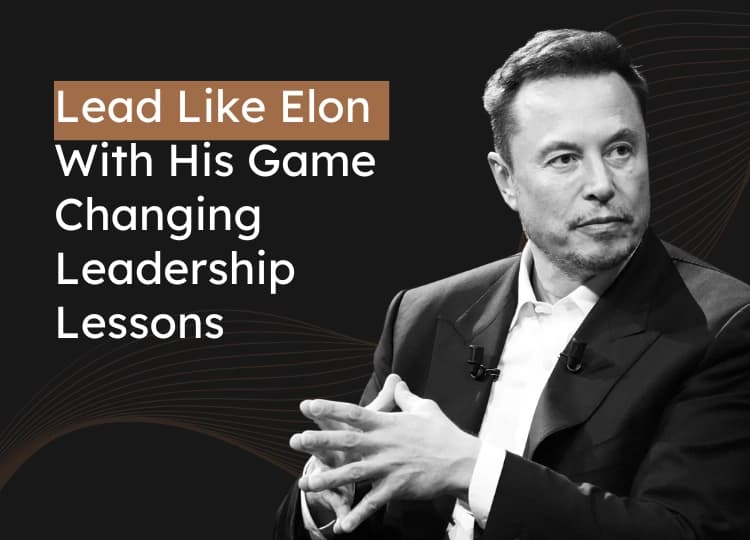
New York, NY – A recent social media post by Arthur MacWaters has ignited discussion around the significant increase in managerial roles over the past four decades, claiming that "since 1983, managerial roles have grown 3x more than regular positions." MacWaters further asserted that organizations with an excess of managers and bureaucrats compared to "makers and doers" face rapid stagnation, advocating for a management approach akin to Elon Musk's, which prioritizes elevating engineers and experts to leadership positions.
Data supports the observation of growing management layers. The proportion of middle managers in the U.S. labor force increased from 9.2% in 1983 to 13.2% in 2002, with managerial employment continuing to rise by 18% in the last decade alone, outpacing overall workforce growth. This expansion has occurred despite earlier predictions of middle management's decline due to corporate streamlining and a focus on shareholder value in the 1980s and 1990s.
The nature of managerial work has also evolved significantly. Research indicates a shift from traditional supervisory roles to those emphasizing collaboration, coordination, and team building. Job postings requiring collaborative skills have surged, while those focused on supervision have decreased, reflecting a move towards flatter hierarchies and increased worker autonomy, particularly in innovation-focused firms.
Elon Musk, a prominent figure in the technology and automotive industries, is known for his hands-on leadership style and a preference for technical expertise in management. His approach at companies like Tesla and SpaceX often involves engineers directly overseeing projects and product development, minimizing layers of non-technical management. This philosophy aligns with the tweet's suggestion that elevating experts to management can counteract organizational stagnation.
The debate underscores a critical challenge for modern organizations: balancing the need for structure and coordination with the imperative to foster innovation and efficiency. As the workforce continues to evolve, the optimal balance between managerial oversight and empowering "makers and doers" remains a key consideration for sustained growth and adaptability.