New York City Developers Convert 30 Million Square Feet of Office Space into Residential Units
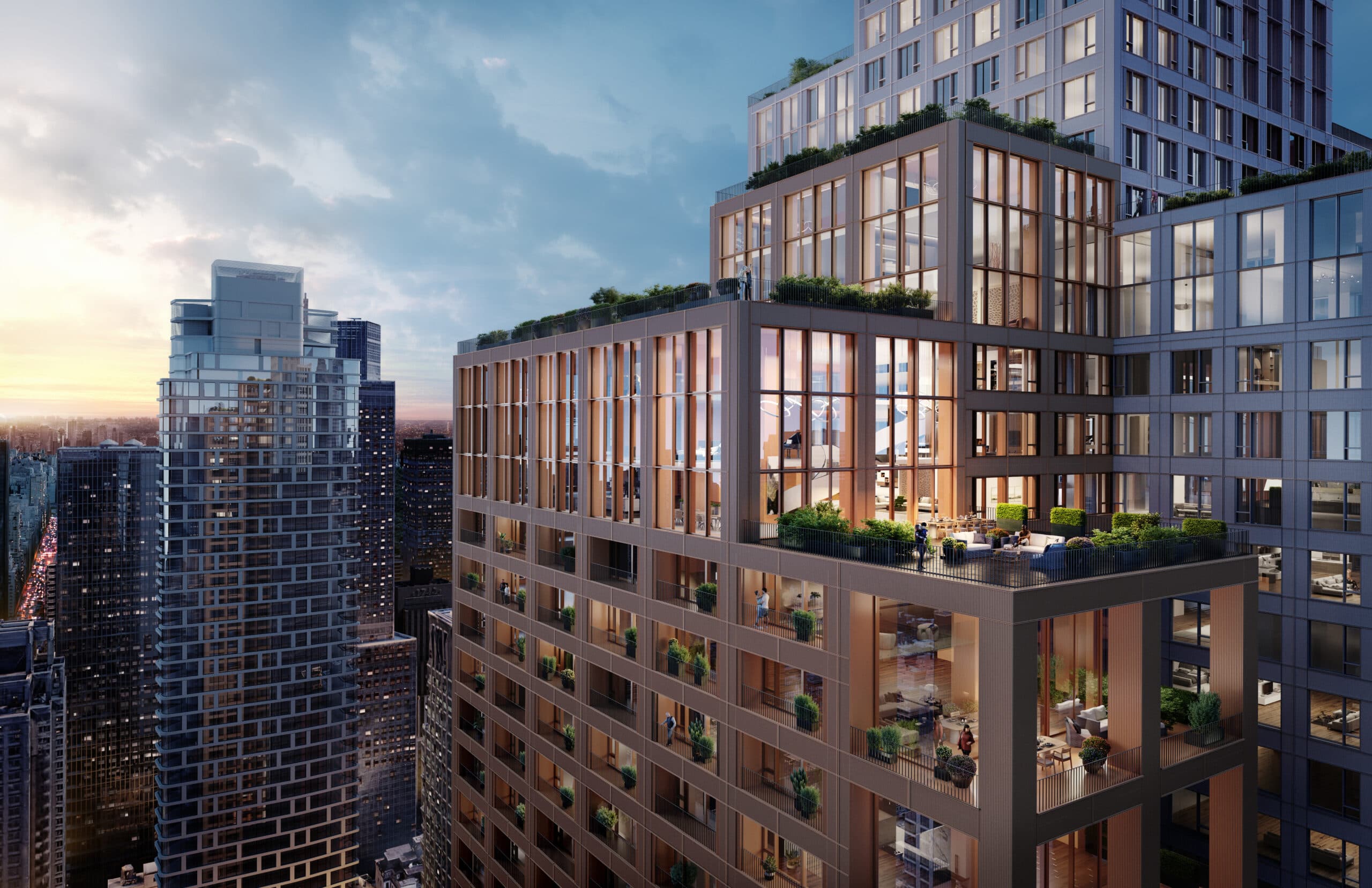
New York City developers have transformed nearly 30 million square feet of office space into residential living over the past two decades, marking a significant and "rare Big Apple real estate success story," as noted by John Fund via The Wall Street Journal. This cumulative achievement reflects a sustained effort to repurpose underutilized commercial properties, particularly accelerating in recent years due to evolving market dynamics and supportive policy changes. The conversion trend addresses both the city's persistent housing shortage and elevated office vacancy rates.
The journey to 30 million square feet began with an initial conversion boom in Lower Manhattan following the early 1990s recession, spurred by plummeting office prices and early tax incentives. Between 1995 and 2006, approximately 100 office buildings were converted. Conversions continued between 2005 and 2019, adding another 19.5 million square feet primarily downtown, before a temporary slowdown as office demand strengthened.
Post-pandemic, the pace of conversions has dramatically increased, driven by record-high office vacancies and a critical housing deficit. Key policy interventions, such as the 467-m tax exemption enacted in 2024 and the "City of Yes for Housing Opportunity" zoning amendments, have provided crucial incentives and flexibility. The NYC Comptroller's office reported a pipeline of 15.2 million gross square feet across 44 buildings as of early 2025, projected to yield approximately 17,400 apartments.
Prominent projects underscore this trend, with the former Pfizer headquarters on East 42nd Street becoming the nation's largest office-to-residential conversion, set to deliver 1,600 new rentals. Similarly, 5 Times Square, once home to Ernst & Young, is slated for 1,250 new homes, including affordable units. Developers are employing innovative architectural solutions, like carving out light wells and strategically demolishing portions of buildings, to overcome the structural challenges of converting deep office floorplates into habitable residential units.
Despite the impressive scale of these conversions, they represent a partial solution to New York's vast housing needs and its substantial vacant office inventory, which still exceeds 75 million square feet. However, the success of these projects, combined with ongoing policy support and high residential demand, positions office-to-residential conversions as a vital strategy for revitalizing central business districts and creating vibrant, mixed-use communities across the city.