Global Solar Capacity Surges Past 1,400 GW Amidst Battery Storage Boom
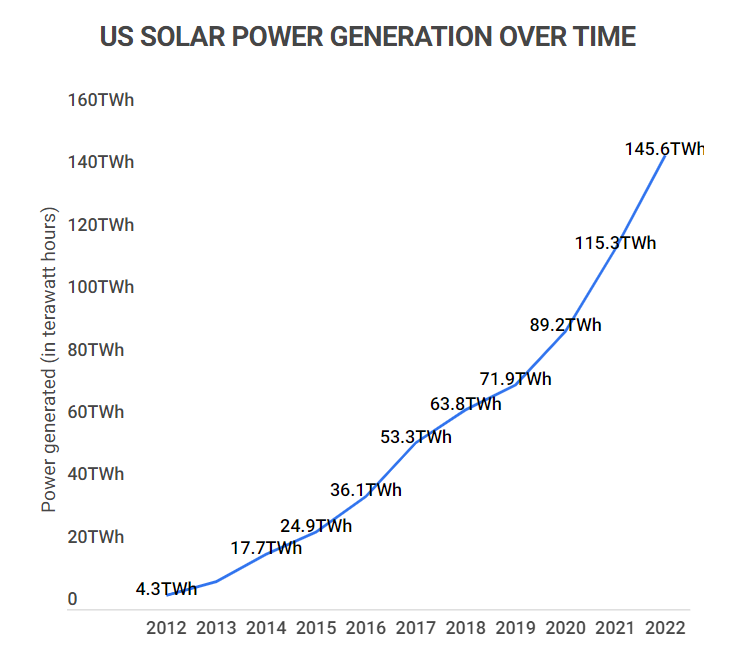
Global renewable energy capacity additions reached a record 346 gigawatts (GW) in 2023, with solar photovoltaic (PV) technology accounting for a dominant 73% of this growth, pushing total global solar capacity to 1,419 GW. This significant expansion underscores the accelerating shift towards sustainable energy sources, driven by technological advancements and declining costs. The International Renewable Energy Agency (IRENA) highlights that over 80% of all new power capacity added last year was renewable, primarily from solar and wind.
Jesse Peltan, an investor focused on energy transition, climate tech, and deep tech, recently articulated a bold vision for this future. On social media, Peltan stated, "> This is an oilfield that never runs out. Solar and batteries will be ubiquitous." His comment reflects the growing sentiment among industry experts regarding the inexhaustible nature of solar power and the increasing integration of energy storage solutions.
The global energy storage market is expanding rapidly, with battery storage leading the charge due to its crucial role in grid stability and the integration of variable renewable sources. Significant investments and continuous technological improvements, particularly in lithium-ion batteries, are driving down costs and accelerating deployment worldwide. The International Energy Agency (IEA) forecasts a substantial increase in global battery storage capacity by 2030, positioning it as a pivotal element in grid modernization and enhancing energy security.
This rapid growth in both solar generation and battery storage capacity is crucial for meeting global climate goals and achieving a more sustainable energy landscape. The market for solar PV alone is projected to reach an estimated $422.6 billion by 2030, indicating strong investor confidence and continued innovation. As these technologies mature and become more widespread, they are set to fundamentally reshape the global energy infrastructure, moving towards a future where renewable energy sources are not just alternatives but the primary power providers.