Adrien Brody Wins Oscar for 'The Brutalist,' Film Grosses Over $50 Million Amidst Thematic Discussions
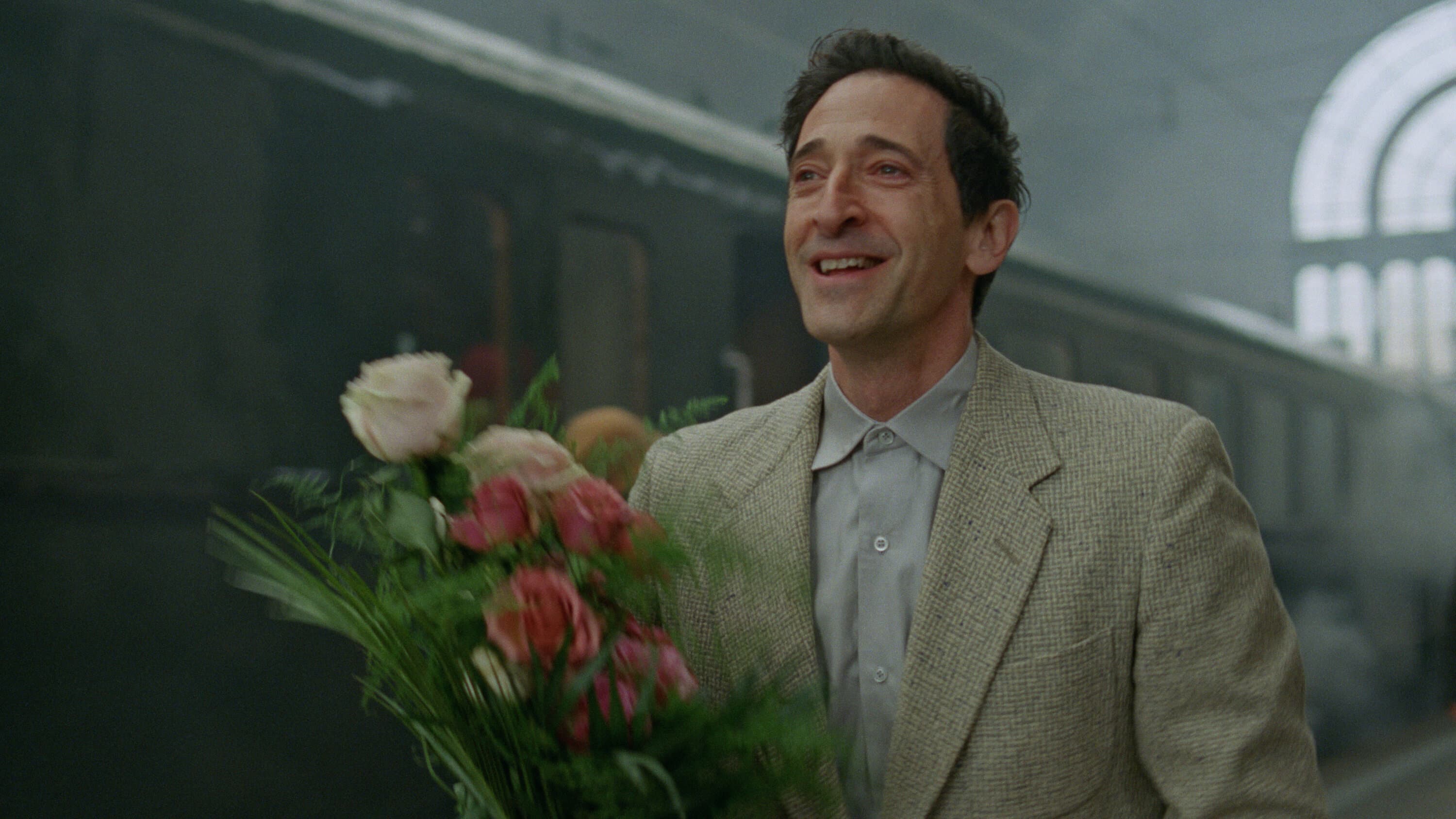
Adrien Brody has secured an Academy Award for Best Actor for his performance in "The Brutalist," an epic period drama that has achieved a global box office total of $50.4 million. The film, directed by Brady Corbet, explores the complex journey of a Jewish-Hungarian architect and Holocaust survivor immigrating to the United States in the post-war era. It has garnered significant critical acclaim, earning three Academy Awards from ten nominations, and sparking discussions about its profound thematic underpinnings.
The narrative centers on László Tóth, Brody's character, as he endeavors to rebuild his life in America, navigating personal and professional challenges. A pivotal aspect of the storyline involves his orphaned niece and her husband making Aliyah to Jerusalem, with László and his wife later contemplating the same move. This plot point directly contributes to the film's exploration of identity, post-war trauma, and the search for belonging in the face of societal pressures.
Journalist Peter Savodnik offered a pointed interpretation of the film's core message via social media, stating, > "The irony is that he recently played a prominent role in a movie, The Brutalist, that’s ostensibly about postwar America or architecture or immigrants but really is about American antisemitism leading Jews to immigrate to Israel." Savodnik further praised Brody's acting, adding, "fwiw he did a brilliant job." During his Oscar acceptance speech, Brody himself underscored the film's relevance, noting he was there "to represent the lingering traumas and the repercussions of war and systematic oppression and of anti-Semitism and racism and of othering."
"The Brutalist" premiered at the 81st Venice International Film Festival, where Corbet was awarded the Silver Lion for Best Direction. Beyond its Academy Award success, the film also secured three Golden Globe Awards, including Best Motion Picture – Drama, and multiple BAFTA Film Awards, including Best Actor for Brody. Critics have widely lauded its ambitious scope, stunning cinematography, and the depth of its thematic exploration, particularly concerning the "aggressive anti-Semitisma that is still pertinent today," as highlighted by Collider.