Javed Akhtar Labels Prose Poetry 'Deception,' Igniting Literary Debate
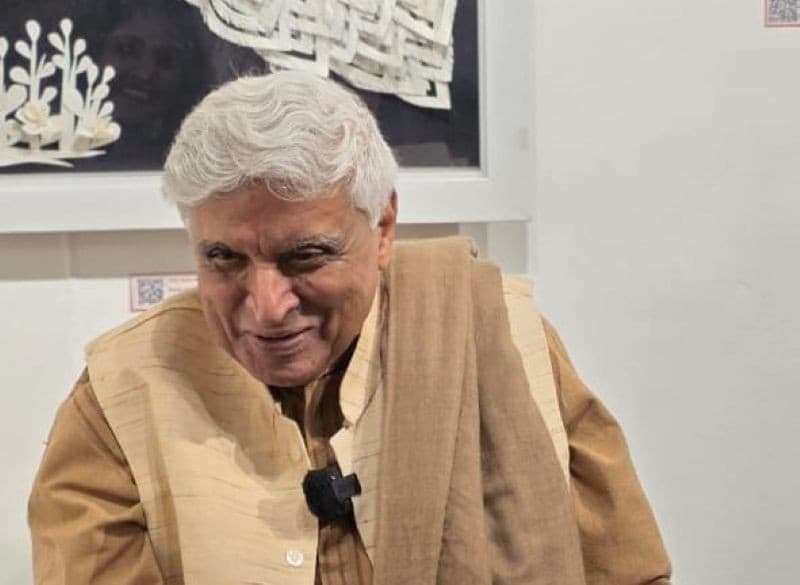
New Delhi – Renowned lyricist, poet, and screenwriter Javed Akhtar recently ignited a significant debate within literary circles by publicly denouncing modern prose poetry as "a deception" and "a fraud." His remarks, made at the Soundscapes of India Season 2 launch, have sparked widespread discussion, notably catching the attention of cultural critics like Kat Rosenfield, who observed her social media timeline consumed by the burgeoning argument.
Akhtar, who also chairs the Indian Performing Right Society Limited (IPRS), articulated his critique during a special session on songwriting. He emphasized the intrinsic link between poetry and music, stating, "Poetry is the music of language, and music is the poetry of sound." He argued that by shedding traditional melody and structure, prose poetry loses the fundamental essence of the art form.
"If it were poetic prose, it could be justified. But prose poetry takes away the rāga and rhythm that define verse," Akhtar said, urging young writers to delve deeper into the understanding of rhythm, phonetics, and established literary traditions. He stressed that the strength of poetry lies in its melody, discipline, and symbolism.
Literary critic and novelist Kat Rosenfield commented on the unfolding discussion via social media, noting the intensity of the exchange. On November 30, 2025, she tweeted:
"with the caveat that I lack the full context for whatever the beef between these men, it's oddly heartening to the literary critic in me that my timeline is currently consumed by, of all things, a vicious debate about prose quality."
Rosenfield, known for her commentary on literary controversies and critiques of ideological trends in publishing, highlighted the unusual nature of such a fervent debate centered on stylistic quality. Her observation underscores the passion and differing viewpoints that often characterize discussions about evolving literary forms and traditional artistic standards. The exchange initiated by Akhtar's strong stance is expected to fuel further conversations on the definition and future of poetic expression.