Over Half of US Families Now Blended, Raising Concerns Over Unspoken Resentment in Step-Parenting
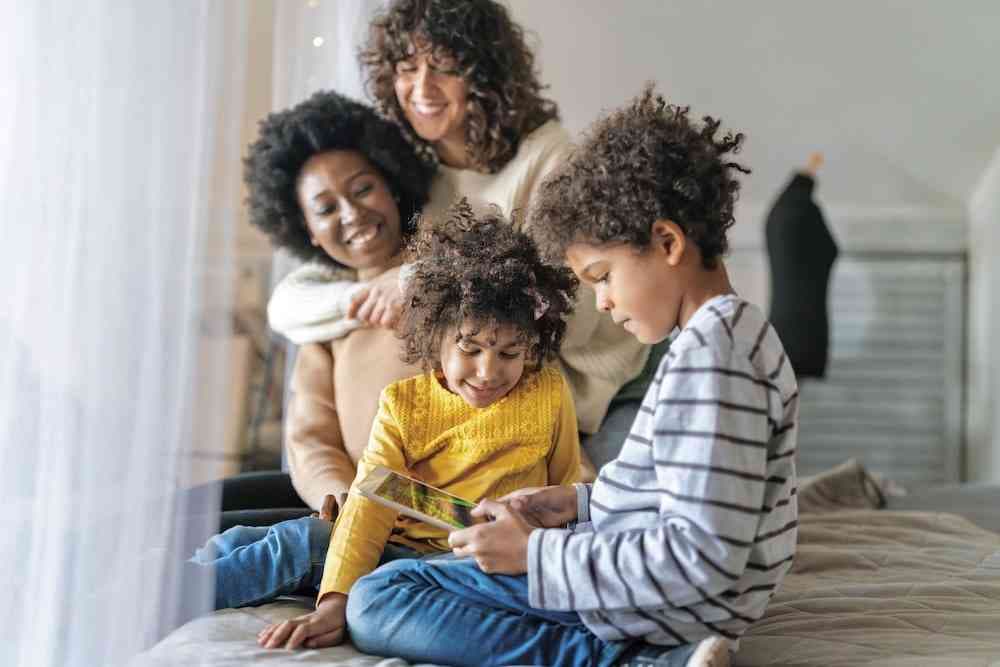
A recent social observation by Mason, shared via tweet, sheds light on a growing challenge within modern family structures: a significant number of children are being raised by unrelated adults who, while seeking a relationship with a biological parent, harbor quiet resentment towards the "baggage" of existing children. This sentiment underscores the often-unacknowledged emotional complexities faced by stepparents and stepchildren in blended families.
Statistics reveal the widespread nature of these arrangements, with over 50% of US families now classified as remarried or re-coupled. Approximately 50% of the 60 million children under the age of 13 currently reside with one biological parent and that parent's current partner, indicating a substantial shift from traditional nuclear family models. The integration of these new family units often presents unique stressors, with research suggesting blended families face three times more stress factors than traditional nuclear families.
The "baggage" mentioned in the tweet often translates into significant emotional challenges for stepparents. Experts note that stepparents frequently struggle with feelings of resentment, disappointment, and a lack of clear authority within the household. Psychology Today highlights "The Stepparent Trap," describing how stepparents can feel like outsiders, secondary to the biological parent-child bond, and may quietly wish for a relationship without the children from a partner's previous relationship.
This dynamic can create a precarious emotional state for children, as biological parents sometimes struggle to balance their own needs with those of their children and new partners. The absence of clear roles and expectations for stepparents, coupled with the emotional toll on all parties, can lead to increased conflict and a longer adjustment period for the entire family. Strong stepparent-stepchild bonds can take 4-7 years to develop fully, underscoring the need for patience and open communication.
The prevalence of blended families, often formed after divorce or separation, necessitates greater understanding and support for these complex units. While many stepparents and stepchildren develop deep relationships, the underlying emotional struggles, as highlighted by Mason's tweet, remain a critical aspect for families, therapists, and support systems to address.