Political Violence Increasingly Tied to Mainstream Grievances, Not Just Fringe Movements
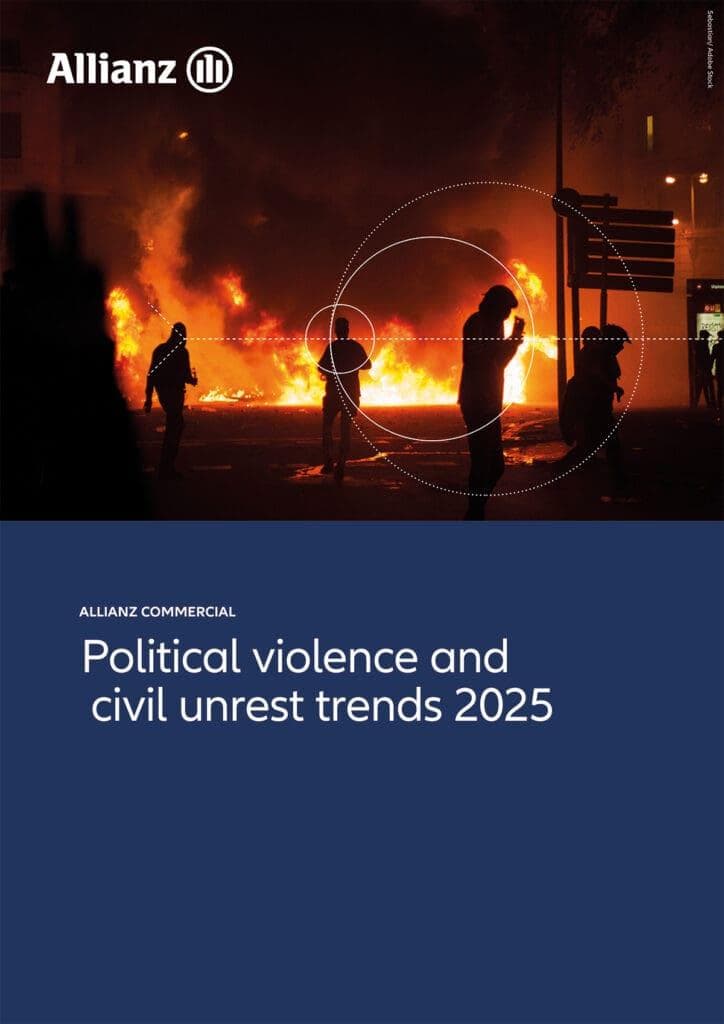
Recent analyses of political shootings and bombings indicate a significant shift in the motivations of perpetrators, with their grievances increasingly aligning with daily political news rather than being solely rooted in fringe movements or intricate conspiracies. This observation, highlighted by The New Yorker, suggests a complex interplay between mainstream political discourse and individual acts of violence.
Experts note a trend toward the "ungrouping" of political violence, where individuals self-radicalize through online engagement. Ideas once confined to extremist groups are now permeating mainstream media and public conversations, blurring the lines between political posturing and the incitement of violence. This normalization of radical ideologies makes it more challenging to identify and address the sources of political unrest.
While historical data from sources like the National Institute of Justice and FBI have consistently pointed to right-wing extremism, particularly white supremacy, as the most significant domestic terror threat, recent reports introduce new nuances. A September 2025 analysis by the Center for Strategic and International Studies (CSIS) indicated a decline in right-wing incidents and a rise in left-wing attacks in the first half of 2025, marking the first time in over 30 years that left-wing terrorist attacks outnumbered those from the violent far-right. However, CSIS cautions that "left-wing terrorism" and "right-wing terrorism" do not correspond to mainstream political parties.
The current political climate suggests that traditional grievances often associated with extremist groups, such as opposition to abortion or hostility to immigration, are now openly embraced by some mainstream political figures. This can lead extremist actors to perceive mainstream validation of their grievances, potentially reducing the need for independent mobilization, or, more concerningly, interpreting it as a tacit endorsement of their worldview. Researchers emphasize that political leaders have a crucial role in de-escalating and deterring violence by unequivocally condemning such acts, regardless of the perpetrator's perceived affiliation.