Santa Monica Cycle Path Halved Los Angeles-Coast Travel Time in 1900 Amidst Cycling Boom
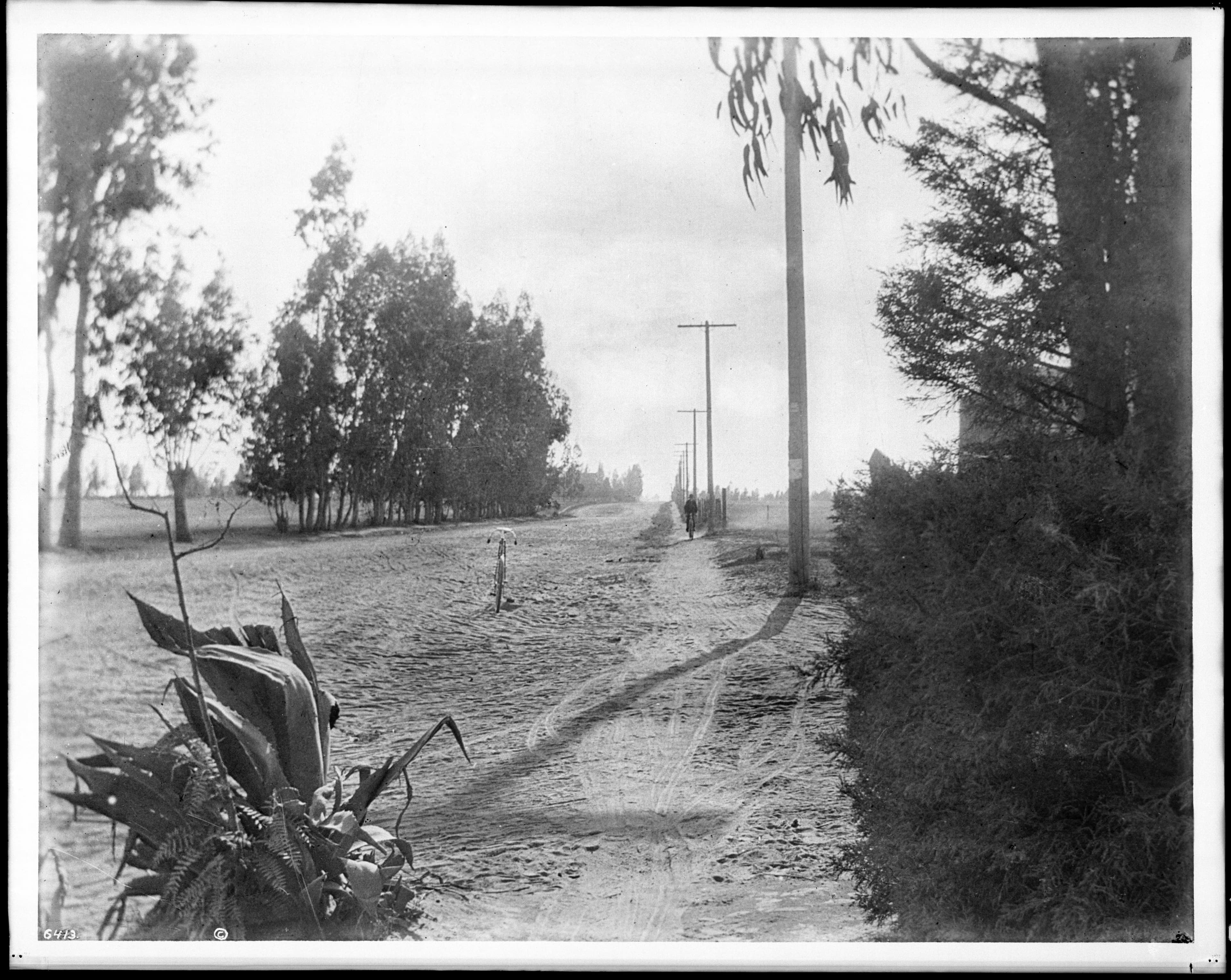
Los Angeles, California – The Santa Monica Cycle Path, which opened on June 24, 1900, dramatically reduced travel time between Los Angeles and the coast, a significant development amidst the region's intense "bicycle fever" of the late 19th century. The dedicated path was a direct response to the burgeoning popularity of cycling, a trend that saw over 35,000 cyclists residing in Los Angeles by the end of the 1890s. As stated in a historical account shared on social media, the path "cut travel time between Los Angeles and the coast in half."
The 10-mile dedicated pathway was constructed to capitalize on the widespread cycling craze that swept through Southern California. Bicycling offered unprecedented freedom and mobility, particularly for women, and spurred a demand for improved roads and specialized infrastructure. This period saw an explosion of cycling clubs and a cultural shift towards active outdoor pursuits.
The Santa Monica Cycle Path represented an ambitious infrastructure project aimed at serving the region's enthusiastic cycling community. Its establishment provided a safer and more efficient route for riders seeking to traverse the distance between the bustling city and the coastal areas. This initiative mirrored other contemporary efforts, such as the proposed California Cycleway, an elevated wooden tollway designed to connect Pasadena to Los Angeles.
Despite its initial promise and impact on travel efficiency, the Santa Monica Cycle Path, like many early cycling infrastructures, had a relatively short operational lifespan. Maintenance challenges and the rapid rise of the automobile in the early 20th century quickly shifted transportation priorities. The increasing accessibility and convenience of motor vehicles ultimately led to the decline of dedicated bicycle paths from this era, marking a transition in urban planning and personal transport.