WWII Submarine Attacks on Survivors: Historical War Crime Status Re-examined Amidst Online Debate
A recent social media post by author James Surowiecki has drawn attention to a contentious online discussion regarding the ethical and legal standing of German and Japanese submarine actions against shipwreck survivors during World War II. Surowiecki highlighted what he described as "quite remarkable" arguments from "MAGA accounts" asserting the acceptability of machine-gunning survivors of torpedoed warships. This commentary has reignited debate over widely condemned historical practices in naval warfare.
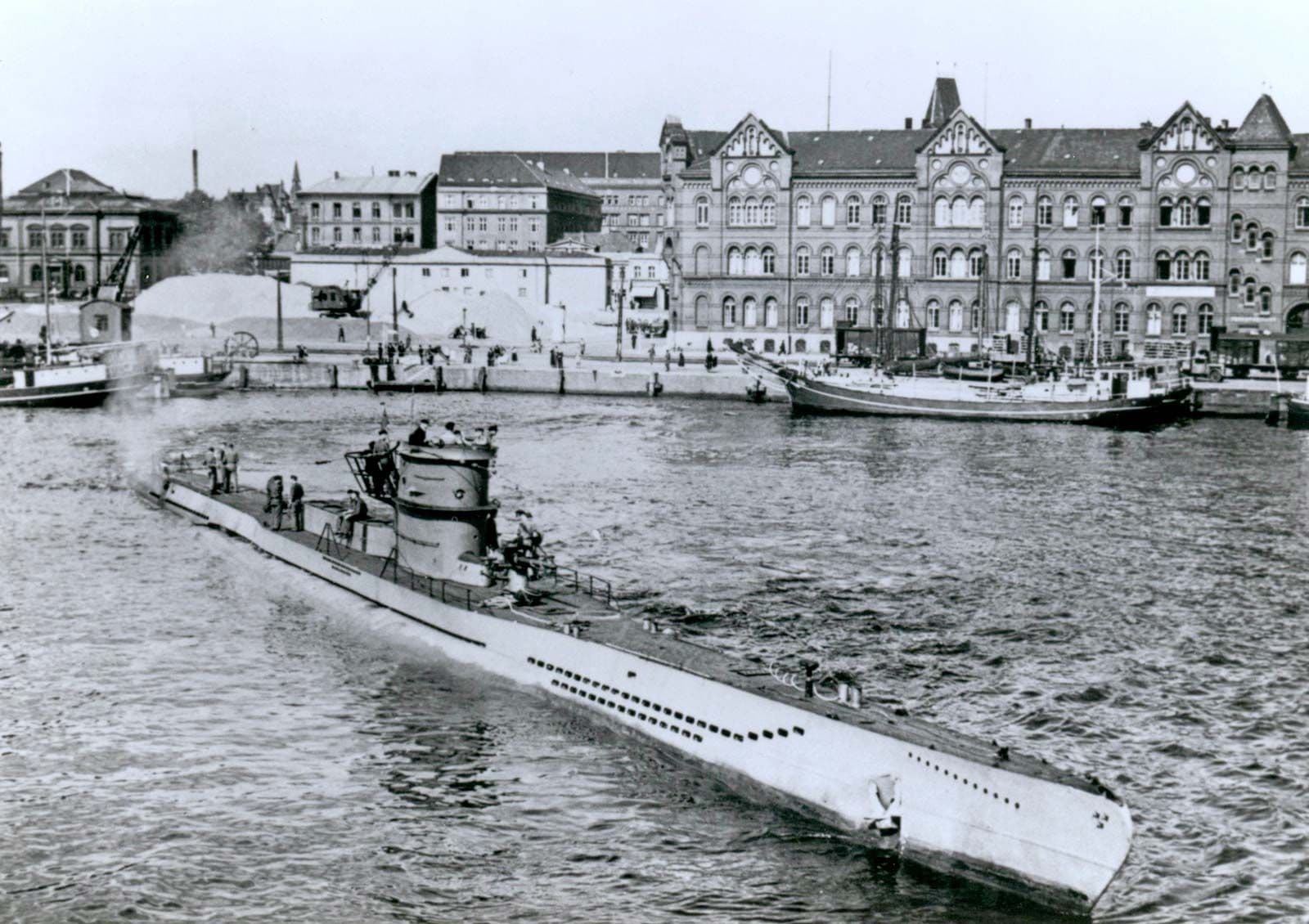
Historically, the treatment of shipwreck survivors by German U-boats became a significant point of contention, notably following the "Laconia incident" in September 1942. After sinking the British troopship Laconia, German U-boat U-156 attempted a rescue, but the effort was attacked by a U.S. bomber. This led Admiral Karl Dönitz to issue the infamous "Laconia Order" (Triton Null), which explicitly forbade U-boats from assisting survivors, effectively leaving them to perish in the water. Dönitz was later indicted at the Nuremberg trials for unrestricted submarine warfare, though not specifically for the Laconia incident itself.
Japanese submarine forces were also implicated in numerous incidents involving the targeting of shipwreck survivors during the war. Reports and historical records indicate that Japanese submarines were, in some cases, notorious for machine-gunning survivors of torpedoed merchant ships. These actions were widely condemned internationally and subsequently led to war crimes trials after the conflict.
Under established international law and the customs of war, attacking shipwreck survivors is considered a grave breach and a war crime. The widely accepted conventions governing naval warfare, even during World War II, generally mandated that combatants should not intentionally target or abandon survivors to their fate. Historical consensus and post-war legal proceedings have consistently upheld this principle.
Surowiecki's tweet, stating, "> Quite remarkable to watch so many MAGA accounts argue it was fine during World War II for German and Japanese subs to surface and machine-gun the survivors of warships they had torpedoed," underscores a contemporary re-evaluation of these historical events. The online discourse reflects a polarization in interpreting historical ethics, contrasting with established understandings of wartime conduct and international humanitarian law.