California's Regulatory Landscape Under Fire: Adam Carolla Cites Safety Concerns Leading to Repressive Policies
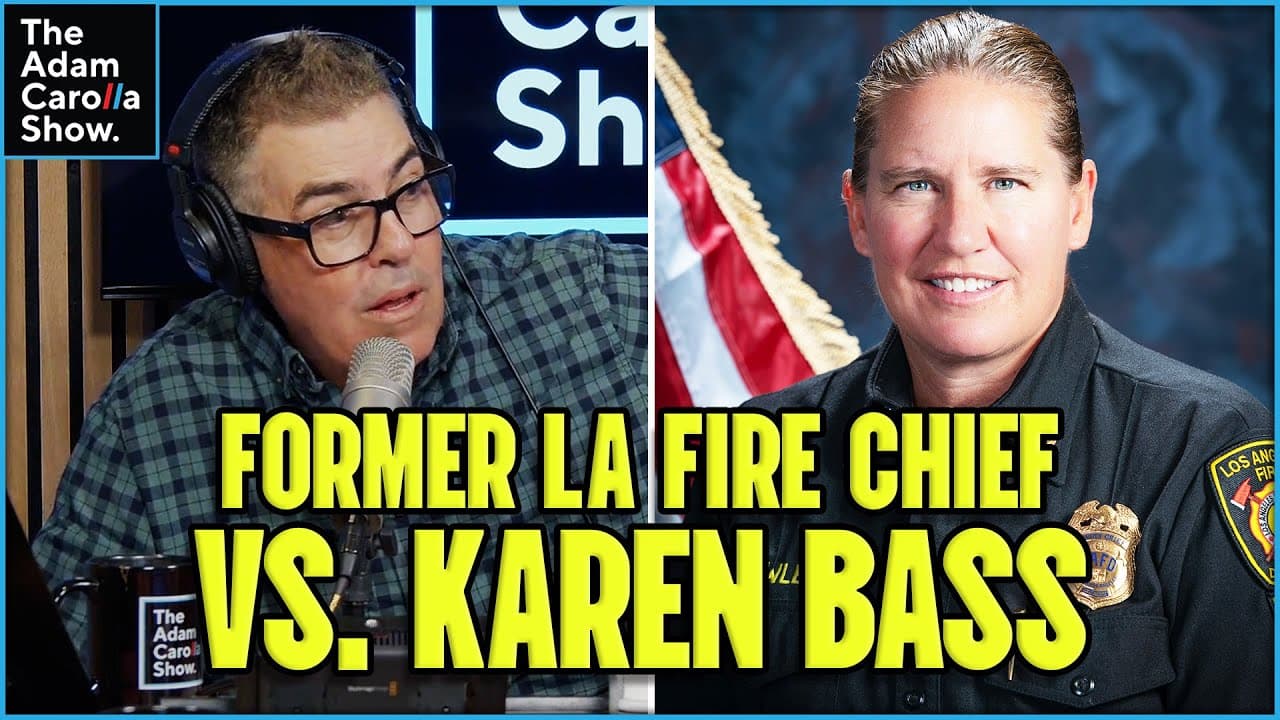
Comedian and media personality Adam Carolla has publicly criticized California's regulatory environment, asserting that the state's heightened focus on safety has resulted in "repressive" policies. In a recent tweet, Carolla stated, "True. California is the most concerned about safety and thus is the most repressive," echoing long-standing concerns among some critics about the state's extensive regulations. This sentiment highlights a contentious debate regarding the balance between public safety, environmental protection, and economic freedom in the Golden State.
Carolla's criticisms often center on the practical implications of these regulations, particularly in the aftermath of natural disasters. Following the devastating Palisades wildfires, he voiced strong opposition to what he perceived as excessive red tape and permit delays hindering rebuilding efforts. He argued that entities like the California Coastal Commission, composed of "unelected people," impose significant burdens, making it "almost impossible to do anything" and driving up costs for homeowners and businesses alike.
California is renowned for having some of the nation's most stringent environmental and safety regulations, often leading to a phenomenon known as the "California Effect," where its standards influence other states and industries. While these regulations aim to protect public health and the environment, they are frequently cited by businesses and some policymakers as contributing to high operational costs, driving companies out of the state, and impacting job growth and housing affordability. Economic impact assessments for major regulations, those exceeding $50 million, are mandated to evaluate these effects, including job creation or elimination and business competitiveness.
The debate over California's regulatory framework pits environmental and safety advocates against those who argue for a more business-friendly climate. Proponents emphasize the benefits of cleaner air, safer workplaces, and environmental preservation. However, critics, including Carolla, contend that the cumulative effect of these regulations creates a burdensome and expensive environment that stifles economic activity and makes the state less accessible for residents and businesses. This ongoing tension underscores the complex challenges California faces in balancing its progressive policy goals with economic realities.