Campus Deplatforming Attempts Succeed 81% of the Time, Warns FIRE CEO Lukianoff
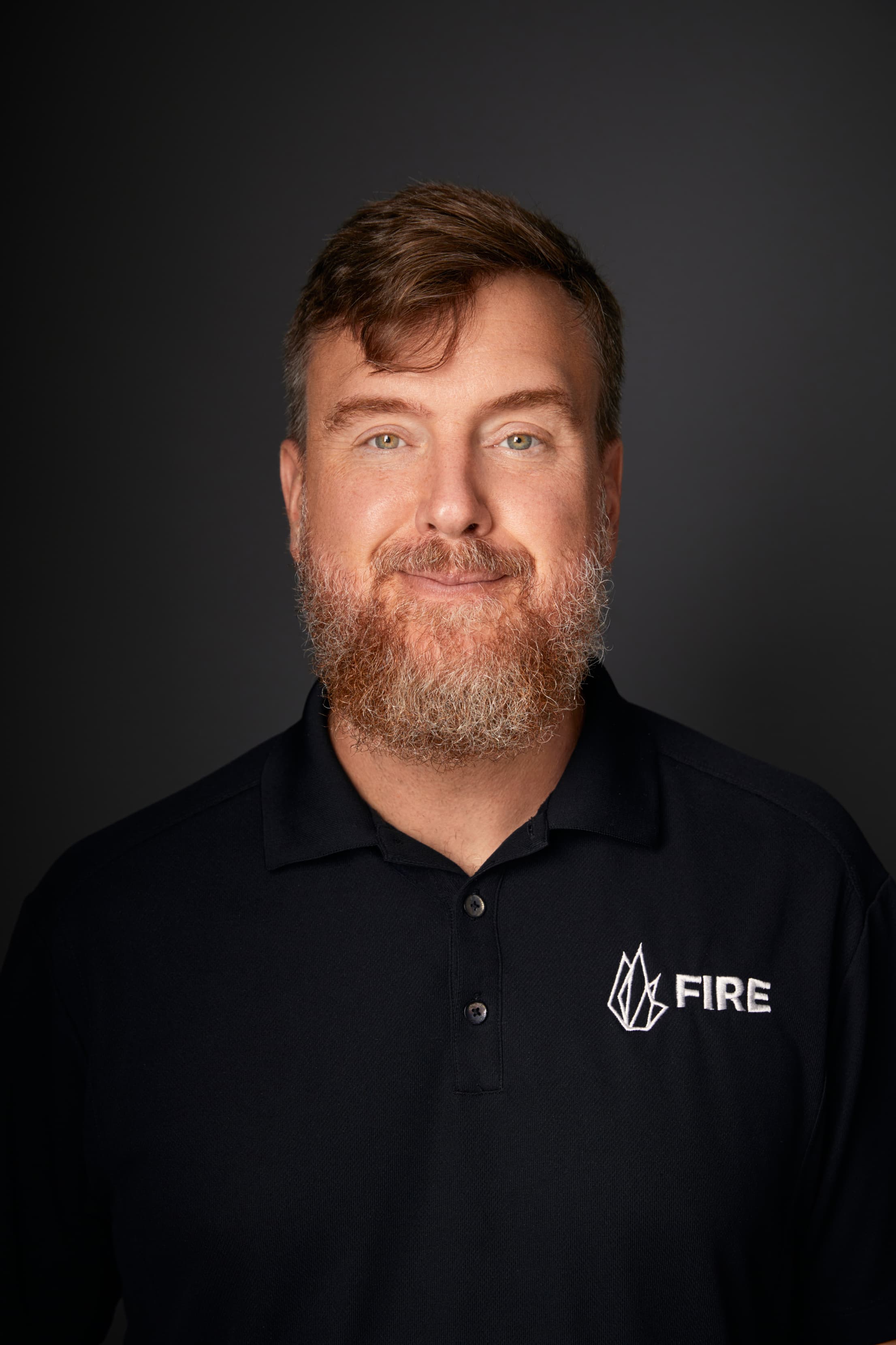
Greg Lukianoff, President and CEO of the Foundation for Individual Rights and Expression (FIRE), recently highlighted an alarming trend in higher education, stating that attempts to deplatform speakers or ideas on college campuses are successful 81% of the time. This stark figure underscores a significant challenge to free speech and open discourse across American universities, according to a recent announcement from the prominent free speech advocate. The data points to a growing climate of conformity and censorship that impacts academic freedom.
Lukianoff, an attorney and New York Times best-selling author of works such as "The Coddling of the American Mind," has long been a vocal proponent of individual liberties on campus. FIRE, a nonpartisan organization, is dedicated to defending free speech, academic freedom, and other individual rights for students and faculty. Their work often involves advocating against speech codes, challenging administrative overreach, and promoting robust intellectual debate.
The high success rate of deplatforming, as detailed by FIRE, indicates that a substantial majority of efforts to silence or remove speakers or controversial topics from campus discussions achieve their objective. This trend, Lukianoff argues, creates an environment where students and faculty may self-censor, fearing retaliation or ostracism for expressing divergent opinions. Such an atmosphere can hinder critical thinking and the essential exchange of ideas vital for intellectual growth.
FIRE actively monitors and ranks universities based on their commitment to free speech through its annual College Free Speech Rankings. These rankings assess factors such as administrative support for free expression and student perceptions of open inquiry. For instance, the University of Missouri earned top marks in FIRE's October 2025 assessment, demonstrating a strong institutional commitment to free and open discussion, a model Lukianoff encourages.
Lukianoff has consistently emphasized that free speech is not merely a legal right but a crucial cultural value that must be actively nurtured. He has testified before Congress on issues including artificial intelligence-powered censorship and has called for universities to uphold institutional neutrality. His work, and that of FIRE, continues to advocate for environments where dissent is welcomed, and individuals feel secure in expressing their views without fear of reprisal, ensuring campuses remain true marketplaces of ideas.