China-Russia Cooperation Under Scrutiny Amid Ukraine War, Taiwan Implications
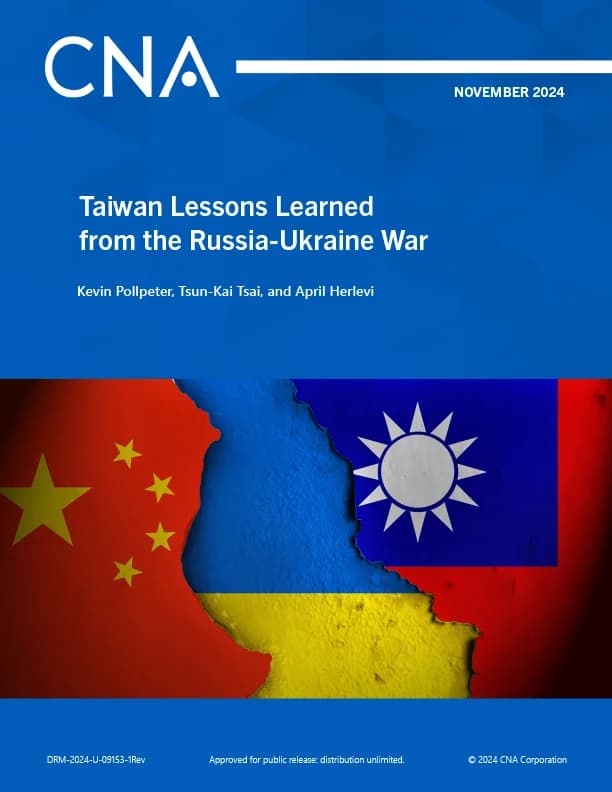
Washington D.C. – A recent social media post by Kim R. Holmes, a distinguished fellow, has sparked renewed debate on the intricate connections between Russia and China's cooperation in the ongoing conflict in Ukraine and its potential ramifications for Taiwan's future. Holmes asserted that the fate of Taiwan is "linked to the outcome of the Ukraine war," cautioning against a foreign policy primarily driven by business deals.
In his tweet, Holmes stated, "Important points on how Russia and China are cooperating in the war against Ukraine, and how China is likely to use it against Taiwan. Shows not only how the fate of Taiwan is linked to the outcome of the Ukraine war, but the utter folly of the US making it easier for both of them." This highlights a growing concern among foreign policy analysts regarding the strategic alignment between Beijing and Moscow.
Recent reports indicate that while Russia and China declared a "no limits" partnership in 2022, economic realities have presented limitations. Chinese foreign direct investment in Russia remains low, and bilateral trade has shown signs of contraction. Despite this, China has been a significant buyer of discounted Russian oil, and concerns persist regarding China's provision of non-lethal aid and dual-use technologies to Russia, which could indirectly support Moscow's war efforts.
The tweet further warned of the geopolitical consequences should the U.S. withdraw from key regions: "If we were ever forced out of Europe, or to leave on our own accord, Russia and China would fill the vacuum and use their increased influence and power against us. Same thing would happen if China pushes us out of Asia." This underscores the perceived risk of diminished American global influence leading to an emboldened Sino-Russian axis.
Analysts have increasingly drawn parallels between the situations in Ukraine and Taiwan, suggesting that a successful Russian annexation of Ukrainian territory could embolden China to pursue similar actions against Taiwan. Beijing views Taiwan as a breakaway province and has not ruled out the use of force to achieve "reunification." The outcome of the Ukraine conflict is seen as a critical test of international resolve against territorial aggression.
Holmes concluded his remarks by criticizing a foreign policy focused on economic gain: "Thinking that our foreign policy should be based mainly on business deals or money may make some people richer, but it would impoverish Americans, greatly weaken our national security, and set our country up for a terrible military showdown at some point with Moscow and/or Beijing for which we would be unprepared." This perspective advocates for a robust and strategically focused approach to great power competition.