Federal Power Forged: Washington's Forceful Response to the 1794 Whiskey Rebellion
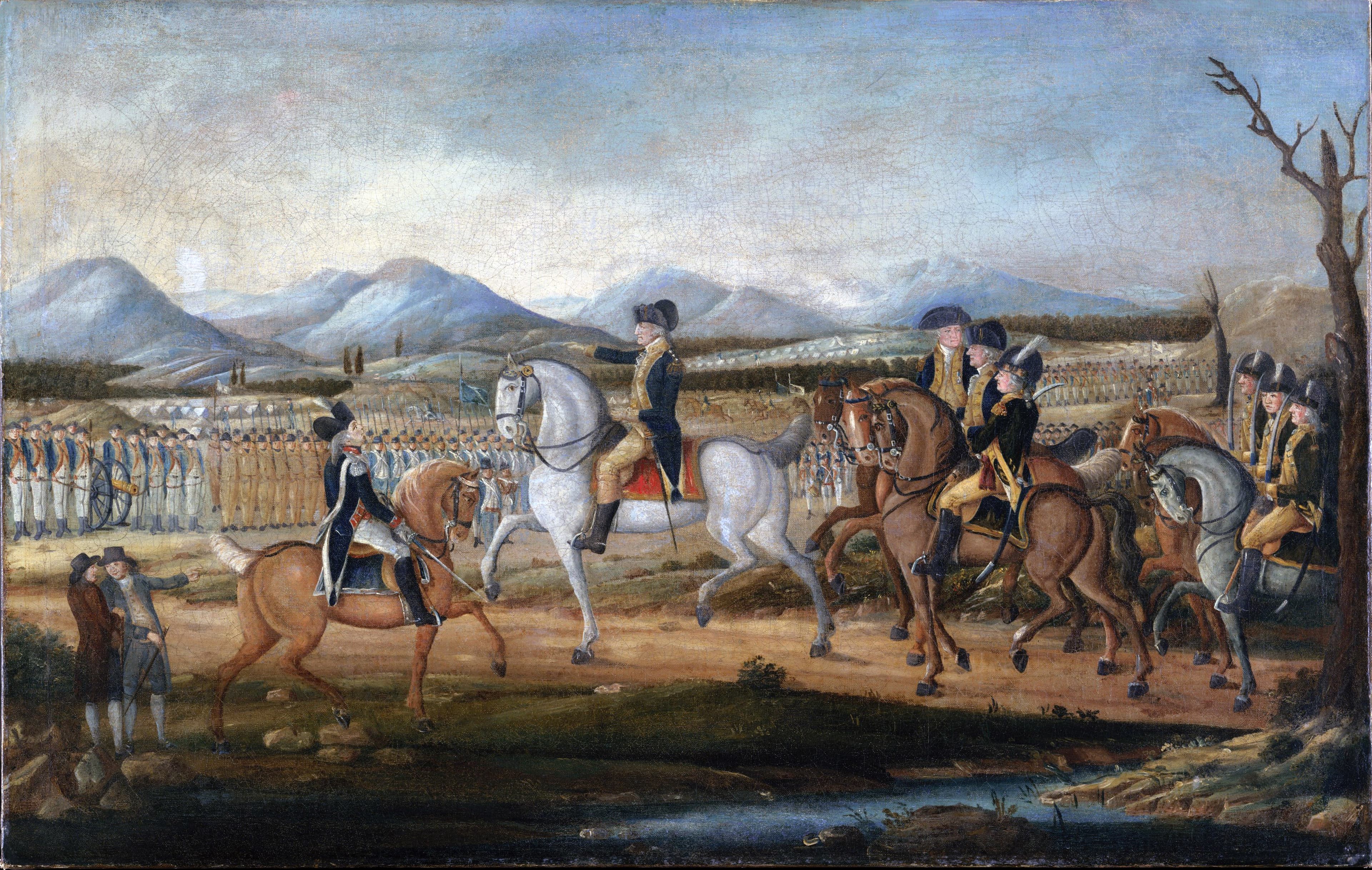
In a pivotal moment for the nascent United States, President George Washington personally led a federalized militia of approximately 13,000 men into western Pennsylvania in 1794, decisively quelling the Whiskey Rebellion. This unprecedented action established the federal government's authority to enforce its laws and collect taxes, setting a crucial precedent for the young nation's stability.
The rebellion stemmed from a 1791 excise tax on distilled spirits, championed by Treasury Secretary Alexander Hamilton to alleviate the substantial national debt incurred during the Revolutionary War. For many frontier farmers, particularly in western Pennsylvania, whiskey was not merely a beverage but a vital form of currency and a more transportable commodity than grain, making the tax a direct threat to their livelihood. The tweet content highlights this, stating, > "For some of America’s first veterans of the Revolution, whiskey wasn't just a drink; it was often the only money they had, and the new federal government came to take its share by force."
Resentment simmered for years, with farmers viewing the tax as an unjust burden imposed by a distant government, reminiscent of British taxation policies. This opposition escalated into violence in July 1794 when, as the tweet describes, > "A group of nearly 400 rebels surrounded the home of the regional tax inspector, John Neville, and burned it to the ground." This act of defiance prompted the federal response.
President Washington, after issuing a proclamation for the rebels to disperse, demonstrated the new government's resolve by mobilizing state militias from Pennsylvania, New Jersey, Maryland, and Virginia. This marked the only time a sitting U.S. president has led troops in the field, underlining the gravity of the situation. Though the rebellion largely scattered before the massive force arrived, the show of federal strength was undeniable.
Approximately 150 men were arrested, with two convicted of treason, though both were later pardoned by President Washington in an act of mercy aimed at national reconciliation. The rebellion's suppression proved that the federal government possessed the will and capacity to enforce its laws, a critical test of the Constitution's power. It solidified the authority of the central government over individual states and citizens, shaping the balance of power for centuries to come.