Justin Amash Slams Unspecified Administration Actions as "North Korea–Level Propaganda"
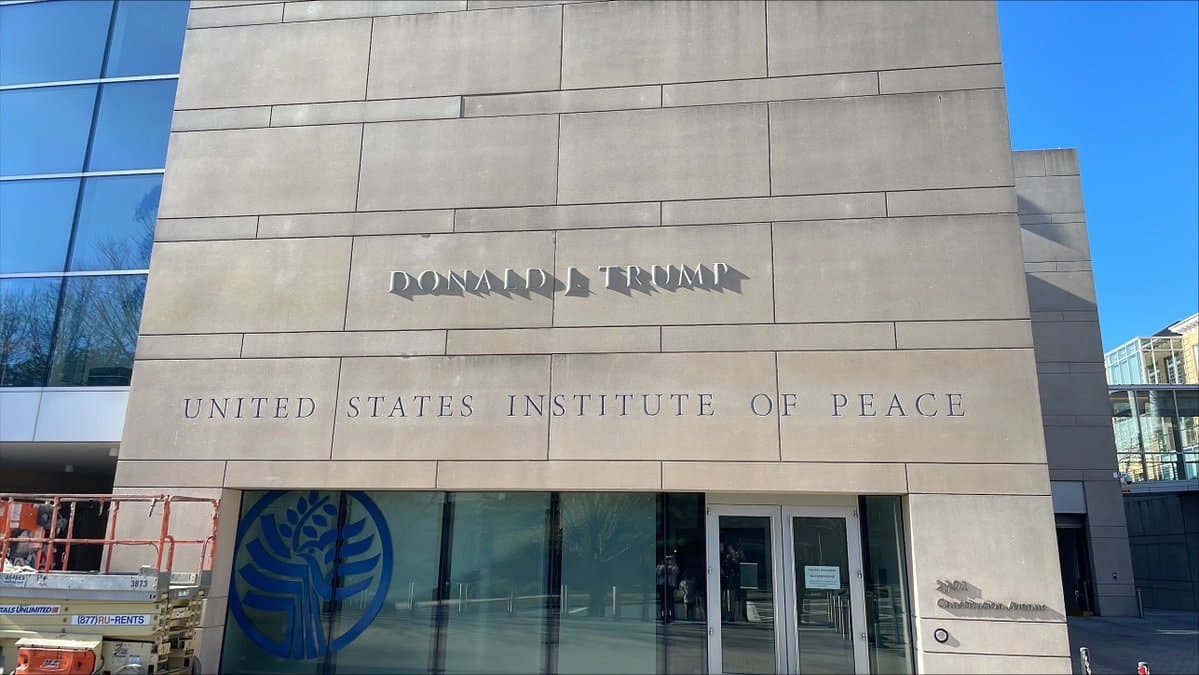
Former U.S. Representative Justin Amash has issued a sharp critique, labeling certain actions or rhetoric from the current administration as "North Korea–level propaganda." The outspoken former lawmaker, known for his independent political views, conveyed his strong disapproval via social media. While the specific target of his "North Korea–level propaganda" comment was concise, a related post from Amash clarified his sentiment, stating, "The chances of a successful prosecution here are zero point zero percent. Everything with this administration is performative nonsense to cater to an ever-shrinking base. We don’t live in North Korea."
Amash's remarks underscore a deep skepticism regarding the administration's motivations and the integrity of its public messaging. His reference to an "unsuccessful prosecution" suggests a high-profile legal or political maneuver that he views as politically motivated and ultimately doomed to fail. The phrase "performative nonsense" further implies a strategy designed for public consumption rather than substantive policy or justice.
The comparison to "North Korea–level propaganda" is a potent rhetorical device, invoking images of state-controlled media, pervasive misinformation, and the suppression of dissent. North Korean propaganda is characterized by its singular focus on glorifying leadership, demonizing perceived enemies, and maintaining an iron grip on public perception through highly curated narratives. Amash's use of this analogy highlights his concern that the administration's communication tactics are similarly manipulative or detached from reality.
Throughout his political career, Amash, who served as a Republican and later as a Libertarian, has consistently advocated for constitutional principles and transparency. His willingness to challenge both parties has earned him a reputation for independent thought and a critical eye toward government overreach. This latest commentary aligns with his established pattern of calling out what he perceives as dishonest or authoritarian tendencies in political discourse.
The former congressman's statement contributes to an ongoing national conversation about the nature of political communication, media integrity, and the erosion of trust in institutions. While the specific "prosecution" remains unnamed, Amash's strong condemnation suggests a significant political event that he believes crosses a line into extreme and deceptive messaging. His remarks serve as a stark warning about the potential for political rhetoric to descend into highly controlled and misleading narratives.