Maduro's International Support Wanes Amid Global Shifts and Domestic Instability
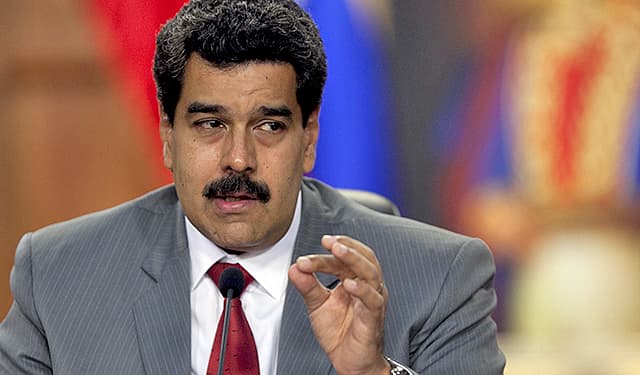
Caracas, Venezuela – Venezuelan President Nicolás Maduro is facing increasing international isolation, as key allies like Russia, China, and Iran appear unwilling or unable to provide substantial support, according to a recent report by The Wall Street Journal. The publication indicates that despite years of anti-American rhetoric, these nations are not prepared to intervene on Maduro's behalf, signaling a significant shift in Venezuela's geopolitical standing.
The Wall Street Journal's findings suggest that Caracas's network of allies is "falling apart." Cuba, Iran, and Nicaragua are reportedly too economically weak to offer meaningful assistance. Russia is currently "bogged down in the war with Ukraine," limiting its capacity for foreign intervention, while China is "preoccupied with its own problems," as stated in the report. Both Moscow and Beijing are reportedly prioritizing relations with former U.S. President Donald Trump, making them hesitant to expend political capital on the Maduro administration.
This diminishing support comes as Venezuela continues to grapple with severe economic challenges and political instability. The United States and many other countries have refused to recognize Maduro's declared victory in the 2024 presidential election, citing evidence of irregularities and a lack of transparency. The U.S. Department of State has maintained a significant reward for information leading to Maduro's arrest, underscoring the international community's stance.
Venezuela has historically relied on these nations for military and economic ties, particularly in the face of U.S. sanctions. However, Russia's ongoing conflict in Ukraine has strained its resources and diplomatic focus, while China's internal economic considerations and broader strategic objectives with the U.S. seem to be taking precedence. The shifting global landscape and the internal pressures on Venezuela's traditional allies have left the Maduro government in an increasingly precarious position on the world stage.