"Narcoterrorist" Label: A Pretext for Violence, Critics Argue
The term "narcoterrorist" is increasingly being scrutinized, with critics asserting that the label can serve as a pretext for violence rather than an accurate descriptor of individuals or groups. This sentiment was recently encapsulated in a tweet by Jeremy Stamper, who stated, "They don’t kill you because you’re a narcoterrorist, they call you a narcoterrorist so they can kill you." This provocative statement highlights a growing concern over the application and implications of the controversial designation.
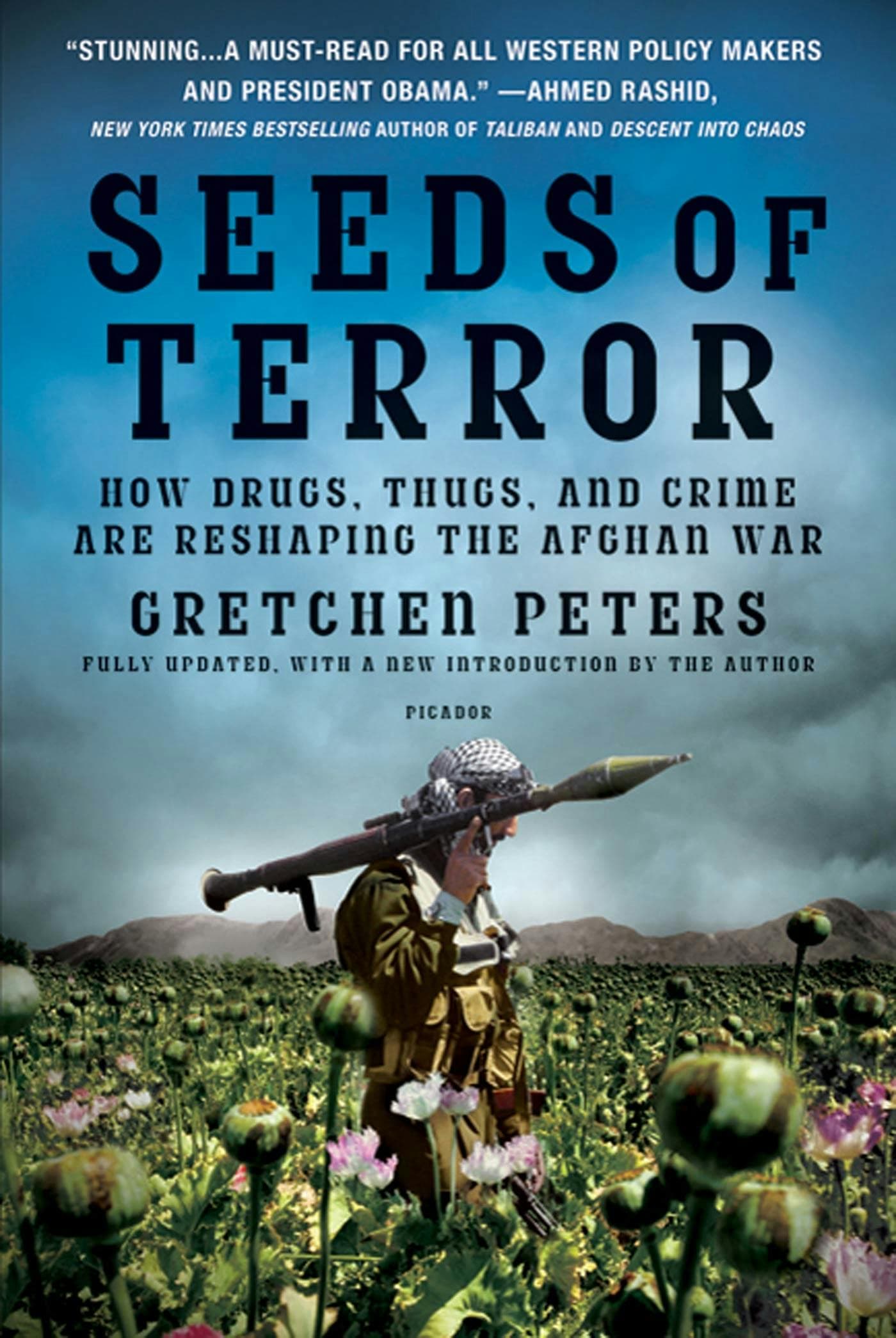
The term "narcoterrorism" was first coined in 1983 by former Peruvian President Fernando Belaúnde Terry to describe drug traffickers' violent attempts to influence government policies, famously exemplified by Pablo Escobar's actions in Colombia. Over time, its definition evolved to include terrorist organizations that fund their operations through drug trafficking, such as the Taliban and ISIS. However, this expanded usage has drawn significant criticism.
Experts and human rights advocates argue that conflating drug trafficking with terrorism can lead to the militarization of anti-narcotics efforts, potentially bypassing legal due process and human rights considerations. The designation can grant governments and military forces broad authority to employ lethal force against individuals or groups labeled as such, as seen in recent executive orders in 2025 where the United States expanded its counter-drug campaign to designate foreign drug cartels as foreign terrorist organizations, authorizing military action.
Critics contend that this approach often proves ineffective in addressing both drug challenges and terrorism, instead providing political cover for military interventions. The focus shifts from law enforcement to military engagement, raising questions about accountability and the potential for extrajudicial actions under the guise of combating terrorism. The debate underscores the complex interplay between national security, drug policy, and human rights in global conflicts.