Nicole Shanahan Alleges "Tech Mafia Wives" Were "Useful Idiots" in Advancing "The Great Reset"
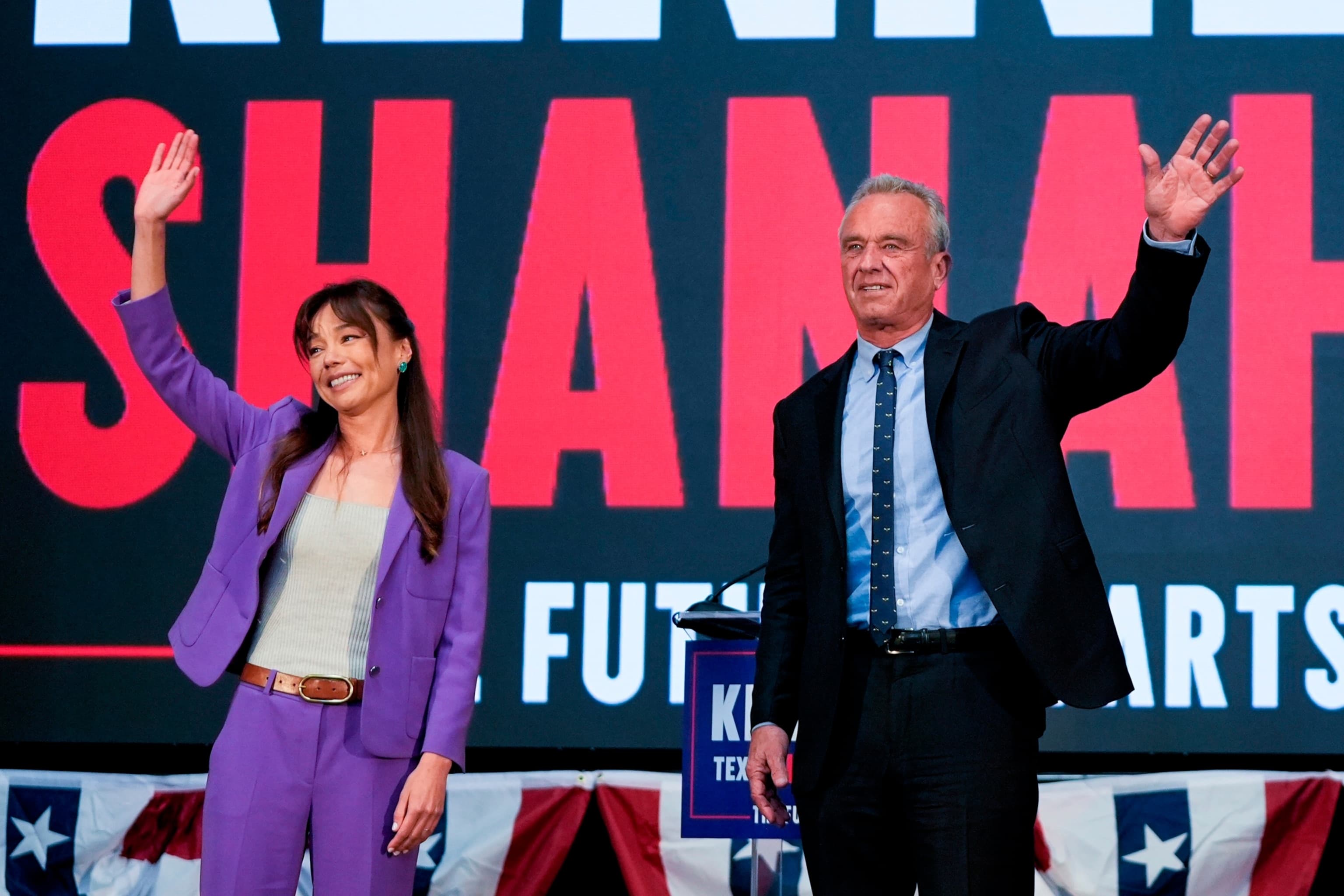
Nicole Shanahan, the entrepreneur, philanthropist, and former running mate to Robert F. Kennedy Jr., has publicly claimed that wealthy women in Silicon Valley, including herself, were unknowingly instrumental in advancing what she termed "The Great Reset." Shanahan, previously married to Google co-founder Sergey Brin, stated that their philanthropic efforts were "used to set the groundwork for what Klaus Schwab calls The Great Reset." Her remarks have drawn significant attention due to her prominent background and the controversial nature of the theory.
According to Shanahan, the financial contributions of these women were "conscripted through a network of NGO advisors, Hollywood, Davos, and their own companies." She described a scenario where a "really small group of people" were "completely blind to how their groundwork is being used to enable these Great Reset policies." This perspective challenges the perceived altruism of some high-profile philanthropic endeavors within the tech industry.
Reflecting on her own past, Shanahan confessed, "I really believed I was helping Black communities and indigenous communities rise up." However, she now believes the outcomes have been detrimental, noting, "But now the problems have gotten worse. Crime worse. Mental health worse. The whole model is broken." She critically observed that "social justice + climate change — it gets progressive women 100% of the time," suggesting these issues are often used to garner support.
"The Great Reset" is an initiative launched by the World Economic Forum (WEF) and its chairman, Klaus Schwab, in June 2020, advocating for a more sustainable and equitable global economy post-pandemic. However, it has also become a focal point for a conspiracy theory alleging a global elite's plot to dismantle capitalism and impose a totalitarian world order. Shanahan's comments further fuel this narrative by linking it to prominent figures and institutions.
Shanahan, who has personally signed nine-figure philanthropic checks and attended high-profile events like those in Davos, concluded her statement with a stark admission. She declared, "We were the useful idiots," indicating a profound disillusionment with her past involvement. Her public statements are expected to spark further debate regarding the transparency and true impact of large-scale philanthropic initiatives and their potential intersection with broader geopolitical agendas.