Sudan Finalizes 25-Year Naval Base Deal with Russia, Granting Control Over Key Trade Route
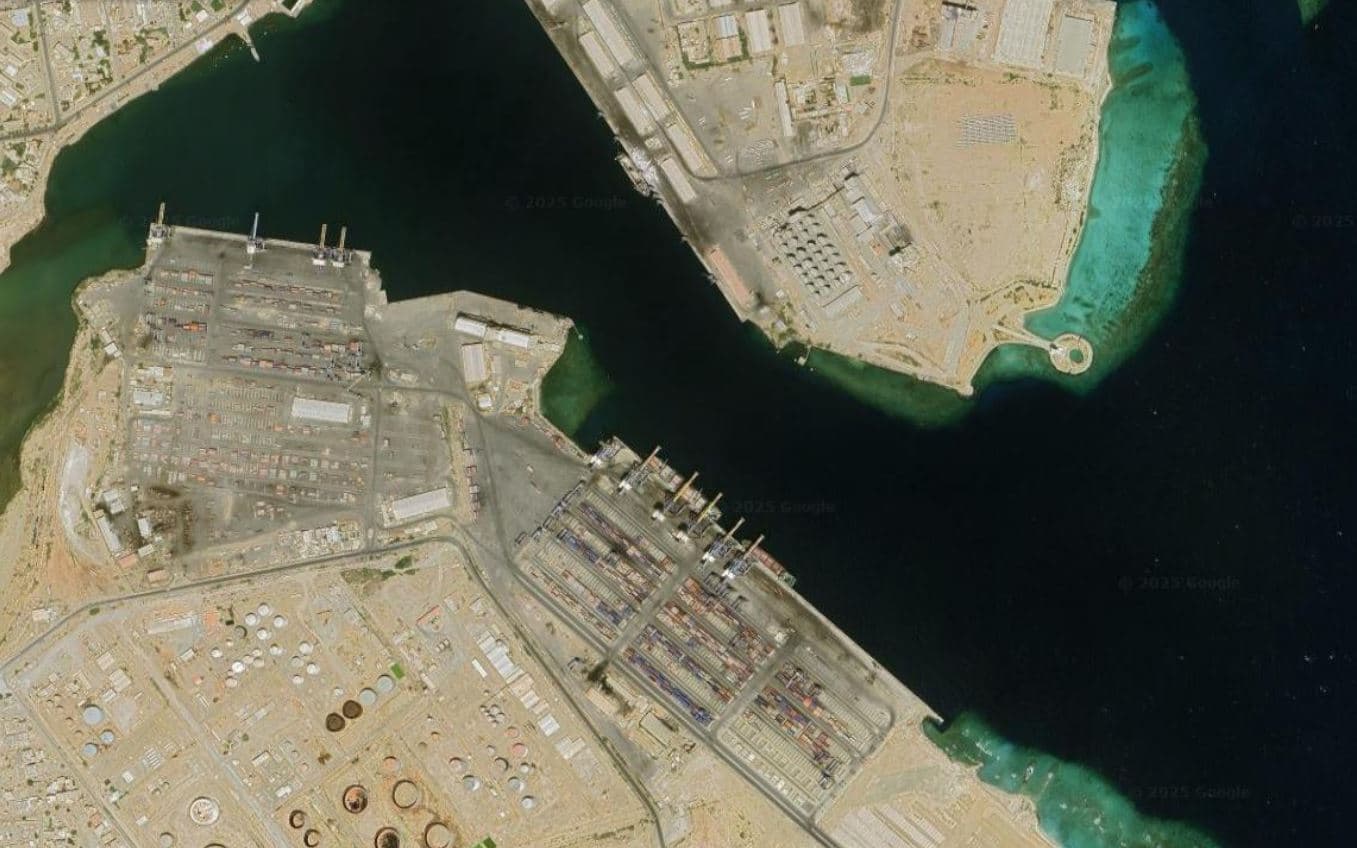
Sudan has finalized a 25-year agreement allowing Russia to establish its first naval base in Africa on the Red Sea coast, a move confirmed by Sudanese Foreign Minister Ali Youssef Ahmed al-Sharif during recent high-level talks in Moscow. This landmark deal provides Russia with a strategic foothold near one of the world's most vital maritime corridors, through which approximately 12% of global trade passes via the Red Sea and Suez Canal.
The agreement permits Russia to deploy up to 300 personnel and host four naval vessels, including nuclear-powered ships, at a logistics support center near Port Sudan. As stated in a recent social media post by Visegrád 24, "Khartoum reportedly proposed hosting up to 300 Russian personnel and four warships for 25 years." The deal includes provisions for automatic 10-year extensions, solidifying Russia's long-term presence in the region.
In exchange for these basing rights, Sudan's military is set to receive discounted Russian air-defense systems and other weaponry. This influx of military aid is crucial for Sudan, which is currently embroiled in a civil war against the Rapid Support Forces (RSF). Officials indicate that these weapons are urgently needed as fighting has intensified since April 2023, exacerbating a humanitarian crisis.
Beyond military cooperation, the arrangement also grants Moscow potential access to valuable mining concessions in Sudan, Africa's third-largest gold producer. This aspect, highlighted by Visegrád 24, offers Russia significant economic benefits in addition to its geopolitical gains.
The establishment of this base marks a significant geopolitical victory for Russia, providing strategic redundancy following uncertainties surrounding its Syrian naval facility in Tartus. It positions Russia alongside the United States and China, which already operate bases in nearby Djibouti, increasing its influence in a critical region. Western governments, however, have expressed alarm, viewing a Russian naval foothold on the Red Sea as a potential strain on Sudan's ties with the U.S. and the European Union, and a challenge to regional stability.