Transit Workers' Union Intensifies State Lobbying Against Automated Trains, Citing Safety Incidents
The Transit Workers' Union (TWU) has reportedly intensified its lobbying efforts at the state level to prohibit automated trains, sparking debate over the alignment of union interests with public good. Social media user Colin highlighted this development, stating, "The Transit Worker's Union just lobbied the state to outlaw automated trains. If you think union interests always align with the public good you're naive." This move underscores the ongoing tension between technological advancement in transit and labor concerns.
The TWU's opposition to fully automated train systems primarily stems from safety concerns and the potential for job displacement. According to the union's technology newsletter, automated systems have demonstrated significant reliability issues. For instance, the Washington D.C. Metro's Red Line experienced 217 station overruns in four months after automated operations were reintroduced, a figure ten times higher than human-operated trains. TWU International Administrative Vice President Curtis Tate noted, "When automated systems malfunction at a higher rate than under human guidance, are they ready to replace humans?"
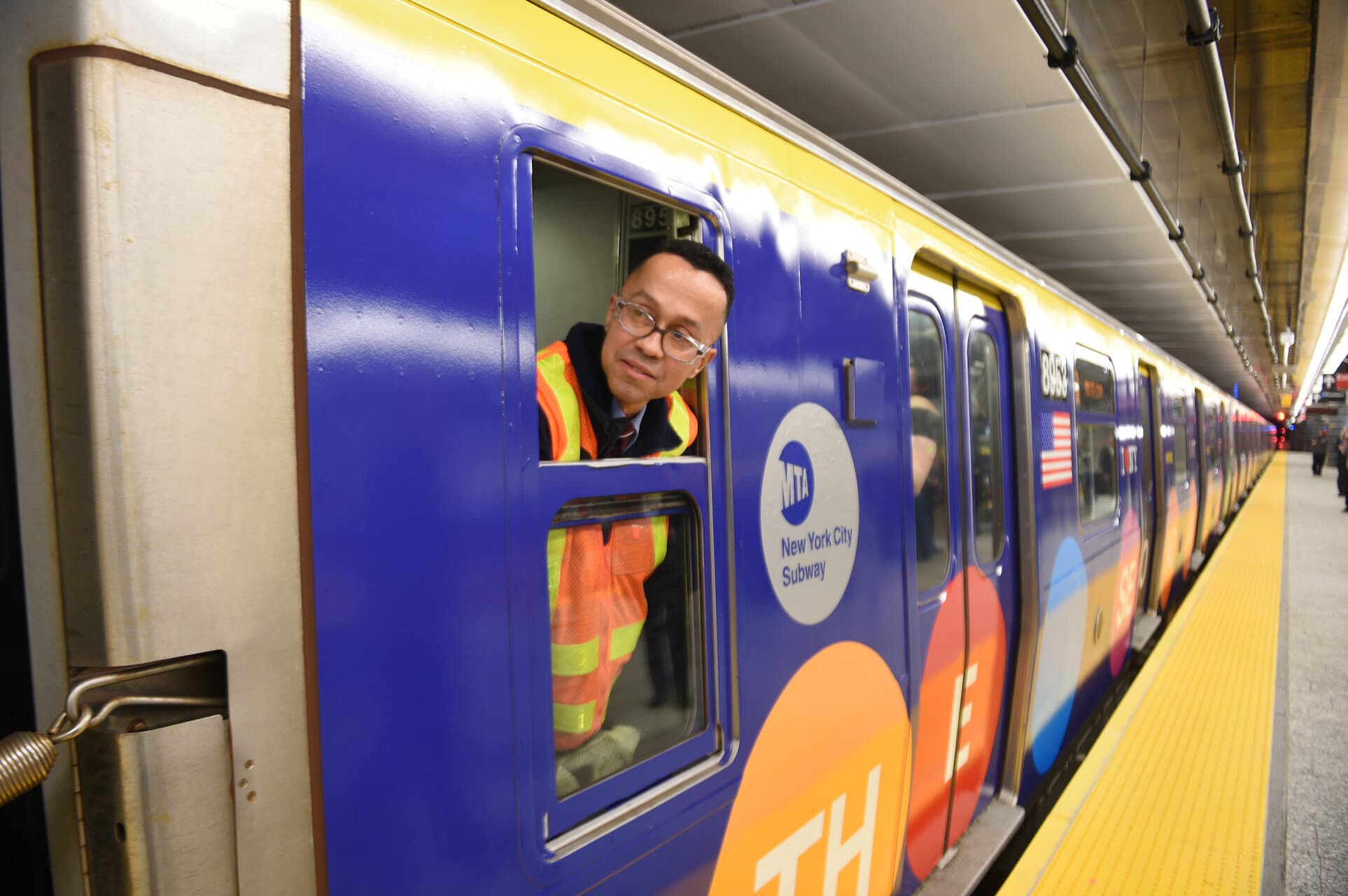
Beyond safety, unions advocate for maintaining human operators, often citing the need for two-person crews for incident response and fatigue management. New York Governor Kathy Hochul is currently reviewing legislation that would mandate both a Conductor and Train Operator on board, a measure strongly supported by TWU Local 100. TWU International President John Samuelsen affirmed, "Conductors and the two person crews staffed by TWU Local 100 workers will be here for the long haul, providing a safer subway ride."
Industry groups, such as the Association of American Railroads (AAR), advocate for increased automation and deregulation, arguing for efficiency and cost savings. The Federal Railroad Administration (FRA) has also faced pressure to rescind rules requiring two-person crews. However, unions maintain that automation should augment workers, not replace them, emphasizing the critical role of human intervention in unforeseen circumstances and the prevention of catastrophic events.