Trump Declares 92% of Biden's Documents, Including Pardons, Null and Void Over Autopen Use
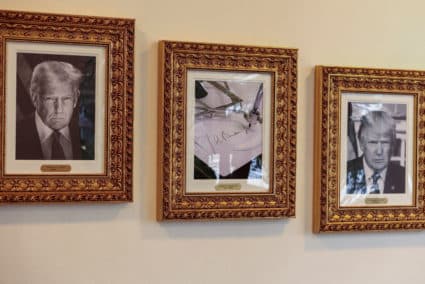
Former President Donald Trump has announced his intention to void all documents, including pardons and policy decisions, signed by his predecessor Joe Biden using an autopen device, claiming Biden never personally reviewed them. Trump asserted that approximately 92% of Biden's official documents were signed this way, describing the practice as unauthorized and questioning Biden's mental acuity. Legal experts, however, widely contend that such a declaration holds no legal force, particularly concerning presidential pardons.
Trump's declaration, shared on social media, specifically targeted documents he alleges were signed without Biden's direct oversight. "The man operating the autopen, and I'm sure there's more than one, would just go in and sign his name onto very important documents," Trump stated, adding that Biden would have "absolutely no idea" about policies like CAFE standards. He further mocked, "He'd say, 'where is the cafe located.' The guy didn't know anything."
The potentially affected list, according to Trump, includes pardons for figures such as Dr. Anthony Fauci, James Biden, and General Mark Milley. Notably, the pardon for Hunter Biden was reportedly hand-signed and remains valid under Trump's claims. Trump's move is seen as an attempt to roll back actions from the previous administration, though the legality of overturning presidential pardons is highly disputed.
The use of autopens by U.S. presidents has a long history, with devices replicating signatures used by leaders from Thomas Jefferson to Barack Obama. Legal scholars and Justice Department opinions have consistently affirmed that documents signed via autopen, when authorized by the president, are legally valid. There is no constitutional requirement for a president to physically sign every document, and an 1869 judicial ruling established that a pardon, once delivered, is final and cannot be revoked.