Venezuelan Economist Daniel Di Martino Affirms Widespread Desire for US Military Intervention
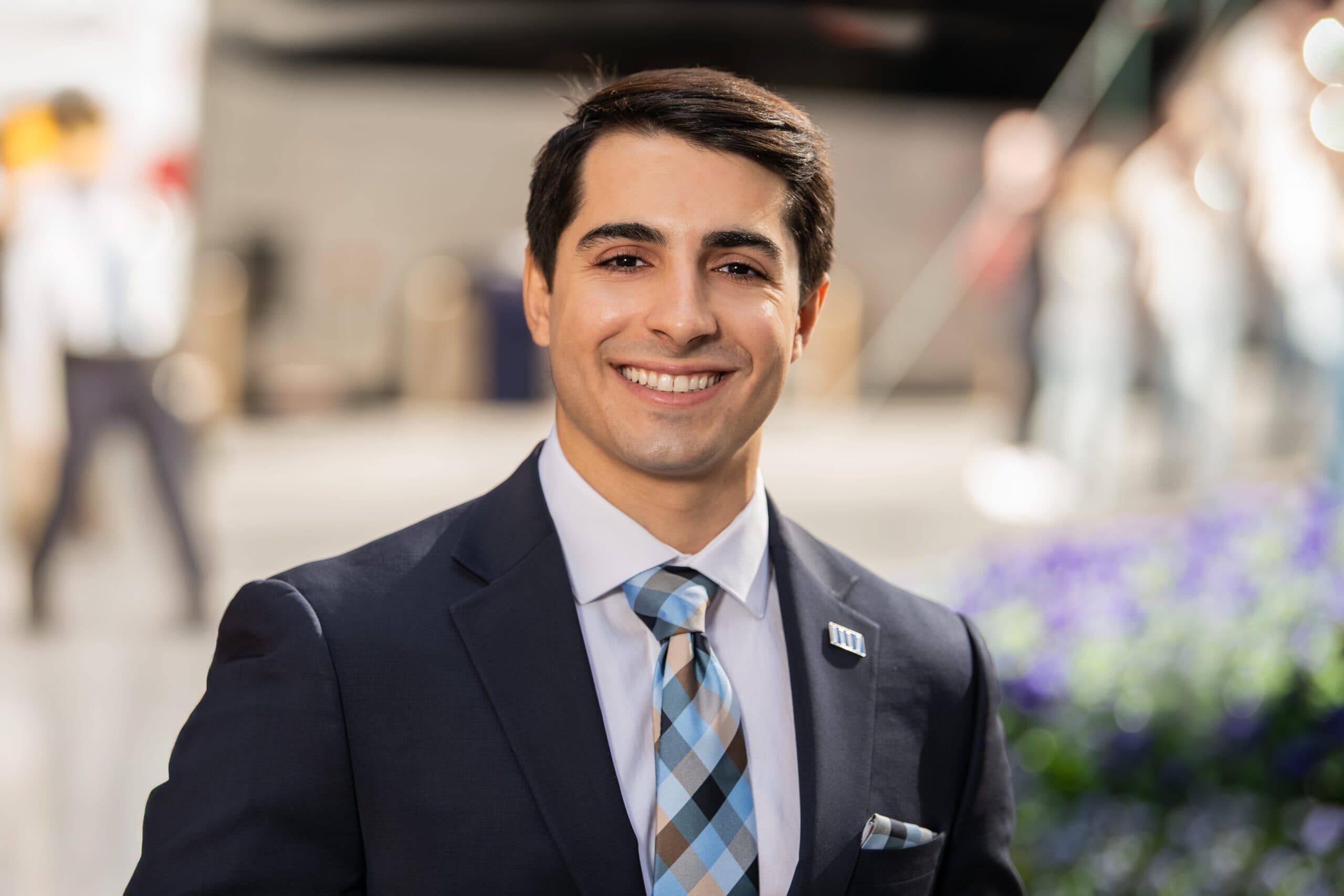
Venezuelan-American economist Daniel Di Martino has publicly affirmed a strong desire among many Venezuelans for immediate United States military action to depose the Nicolás Maduro regime. In a recent social media post, Di Martino responded with a succinct "Yes." to a query, linking to a prior statement where he asserted, > "everyone in Venezuela I know is tired of waiting and wants U.S. military action as soon as possible to end Maduro once and for all. Their problem isn't the United States. They want America to Intervene. The problem is 26 years of socialism."
Di Martino, a PhD candidate in Economics at Columbia University and a fellow at the Manhattan Institute, has consistently advocated for a more assertive stance against the Venezuelan government. Having experienced the consequences of socialism firsthand in his native Venezuela, he has dedicated his work to highlighting the country's plight and warning against similar ideologies. His organization, the Dissident Project, aims to educate on the failures of socialist regimes.
Venezuela continues to grapple with a severe humanitarian crisis, marked by mass emigration, economic collapse, and allegations of widespread human rights abuses under Maduro's authoritarian rule. The political opposition, despite popular support for figures like María Corina Machado, faces significant hurdles, including disqualifications and alleged election rigging by the ruling party. This ongoing crisis fuels a desperate longing for change among many citizens.
The call for foreign intervention, particularly from the United States, remains a contentious issue. While some, like Di Martino, argue that military force is the only viable path to liberation and could lead to significant economic and social benefits, others caution against it. Critics, including some Latin American leaders and international relations experts, point to historical precedents and the potential for unintended consequences, including prolonged conflict and further destabilization.
The United States has maintained sanctions against the Maduro government and has previously deployed naval assets to the Caribbean, citing anti-drug operations. While former President Trump had openly considered military options, the international community has largely favored diplomatic pressure and sanctions. The debate over the efficacy and ethics of military intervention in Venezuela continues to divide opinion among policymakers and the public.