Michael Bonkowski PhD Remembered Five Years After Unexpected Passing, Legacy in Aging Research Endures
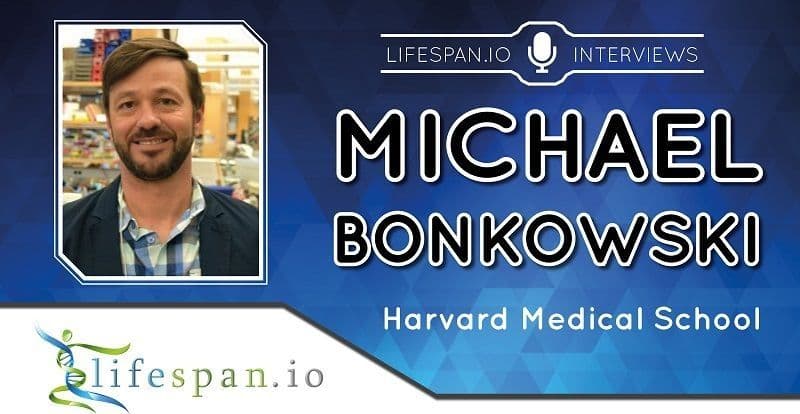
Five years ago today, on November 30, 2020, Michael Bonkowski PhD, a significant figure in the Sinclair lab at Harvard Medical School, passed away unexpectedly. David Sinclair, a prominent genetics professor, shared a heartfelt tribute on social media, stating, "Five years ago today, Michael Bonkowski PhD passed away unexpectedly. For a decade, he was the life of the Sinclair lab, a major force testing The Information Theory of Aging & cared so deeply about his students they still speak of him like a father."
Dr. Bonkowski was a dedicated researcher whose work focused on the intricate links between metabolism, reproduction, aging, and age-associated diseases. His primary research efforts within the Sinclair lab were concentrated on understanding the role of nutrient sensors in regulating endocrine signaling and aging in mouse models. This work was integral to the lab's broader exploration of the "Information Theory of Aging."
The Information Theory of Aging, championed by David Sinclair and his team, posits that aging is primarily driven by the loss of epigenetic information rather than genetic mutations. This theory suggests that as organisms age, the organization and regulation of their DNA—the epigenome—degrades, leading to a loss of cellular identity and function. Dr. Bonkowski's contributions were crucial in testing and advancing this hypothesis, including studies demonstrating that epigenetic changes can accelerate or reverse signs of aging in mice.
Beyond his scientific contributions, Dr. Bonkowski was deeply cherished for his mentorship. The tweet highlights his profound impact on students, who reportedly "still speak of him like a father," underscoring his role as a nurturing and inspiring educator within the scientific community. His decade-long tenure in the Sinclair lab left an indelible mark on both the research trajectory and the personal lives of those he worked with.