Apple Maintains Stronghold on Premium Smartphone Market Amidst Enduring Consumer Loyalty
Apple's iPhone continues to demonstrate significant market presence and consumer loyalty, particularly within the premium smartphone segment, despite a highly competitive global landscape. Recent data indicates Apple held a 15.7% share of the global smartphone market in Q2 2025, positioning it as a leading player. This enduring appeal is often highlighted by anecdotal observations of consumer behavior.
A recent social media post from user James Clark humorously captured this phenomenon, stating, "> ... And yet you still went and bought yourself an iPhone. What kind of monster are you?" This tweet, while lighthearted, reflects a common perception of the iPhone's compelling draw, even among those who might express reservations about its ecosystem or pricing.
In 2024, Apple led the premium price segment of the global smartphone market with a 67% sales share, underscoring its dominance in higher-end devices. This leadership is sustained by a loyal customer base, with many iPhone owners choosing to remain within the iOS ecosystem when upgrading their devices. The company's strategy focuses on premium phones, making them more accessible through trade-ins and financing.
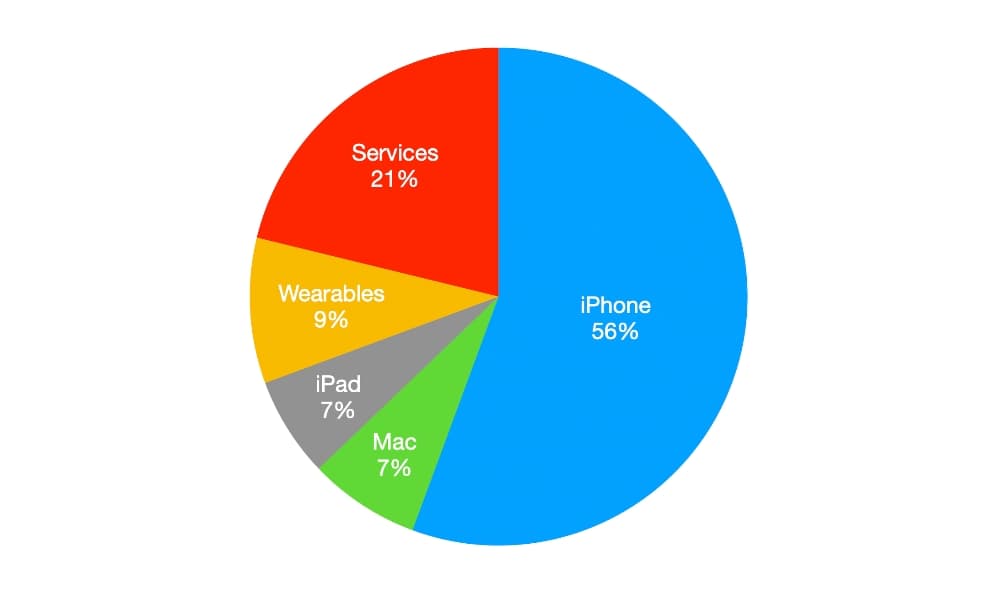
The iPhone remains a critical revenue driver for Apple, accounting for over 52% of the company’s total earnings in 2025. As of Q3 2025, iOS holds 31.9% of the global smartphone OS market, with projections indicating Apple could reach a 20% market share in the global smartphone market by 2025. This growth is attributed to strategic product launches and technological advancements, including expected AI features in future models.
Key markets like the United States show Apple's strong influence, with iOS dominating 58.2% of the smartphone market in 2025. Japan also stands out as a robust iOS market, with adoption reaching 66.1% in the same year, driven by loyalty and localized features. Apple's consistent performance and user retention underscore the market dynamics that observers like James Clark frequently note.