Chinese Startup Zhonghao Xinying Claims Ghana GPTPU Outperforms Nvidia A100 by 50%
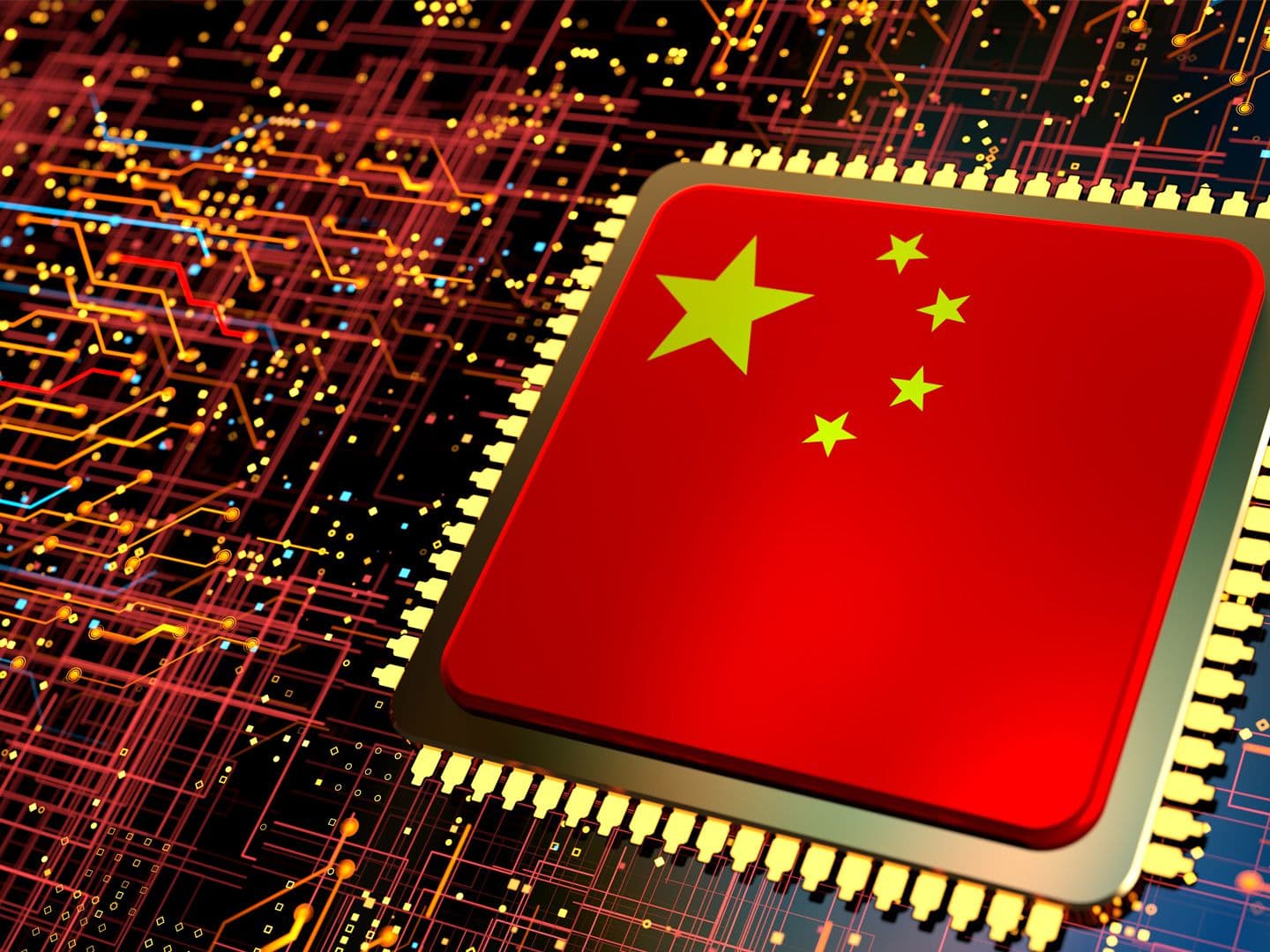
Hangzhou, China – Chinese startup Zhonghao Xinying, also known as CL Tech, has announced the mass production of its new General Purpose Tensor Processing Unit (GPTPU) named "Ghana," claiming it delivers 1.5 times the compute performance of Nvidia's A100 GPU while significantly reducing power consumption. This development positions Ghana as a potential domestic alternative for AI training and inference hardware in China, a market increasingly seeking self-sufficiency amid international trade restrictions.
The company, founded by former Google engineer Yanggong Yifan, states that the Ghana chip is an Application-Specific Integrated Circuit (ASIC) designed specifically for matrix operations crucial to transformer models. According to Zhonghao Xinying, Ghana achieves its performance with approximately 75% of the power consumption of an A100, implying a 40% better performance per watt. The firm also emphasizes that the chip relies on "fully self-controlled IP cores" and "no foreign technology licences," ensuring architectural security and sustainability.
While the A100 was a leading AI chip in 2020, Nvidia has since released more powerful architectures like Hopper (2022) and Blackwell Ultra. Despite Ghana's reported performance against the A100, it still lags behind these newer generations. However, for the Chinese market, which faces challenges in acquiring advanced foreign GPUs due to U.S. export controls, the Ghana chip could offer a viable and locally controlled solution.
The emergence of Zhonghao Xinying's GPTPU comes at a time when China is intensifying its efforts to develop indigenous semiconductor capabilities to circumvent U.S. restrictions aimed at limiting the country's access to advanced AI chips. These export controls have spurred Chinese companies to invest heavily in domestic alternatives, creating a strategic imperative for local innovation. Zhonghao Xinying also faces a performance-guarantee agreement with investors, requiring an IPO by the end of 2026.
Industry observers note that the ultimate success of Ghana will depend on Zhonghao Xinying's ability to provide robust compilers, kernels, and cluster software. If the company can deliver a comprehensive software ecosystem, the Ghana GPTPU could represent a significant step towards breaking Nvidia's dominance in the Chinese AI chip market, moving beyond mere laboratory demonstrations to widespread adoption in major Chinese cloud providers.