Flipper Zero 'DarkWeb' Firmware Reportedly Bypasses Rolling Code Security on Over 9 Major Vehicle Brands
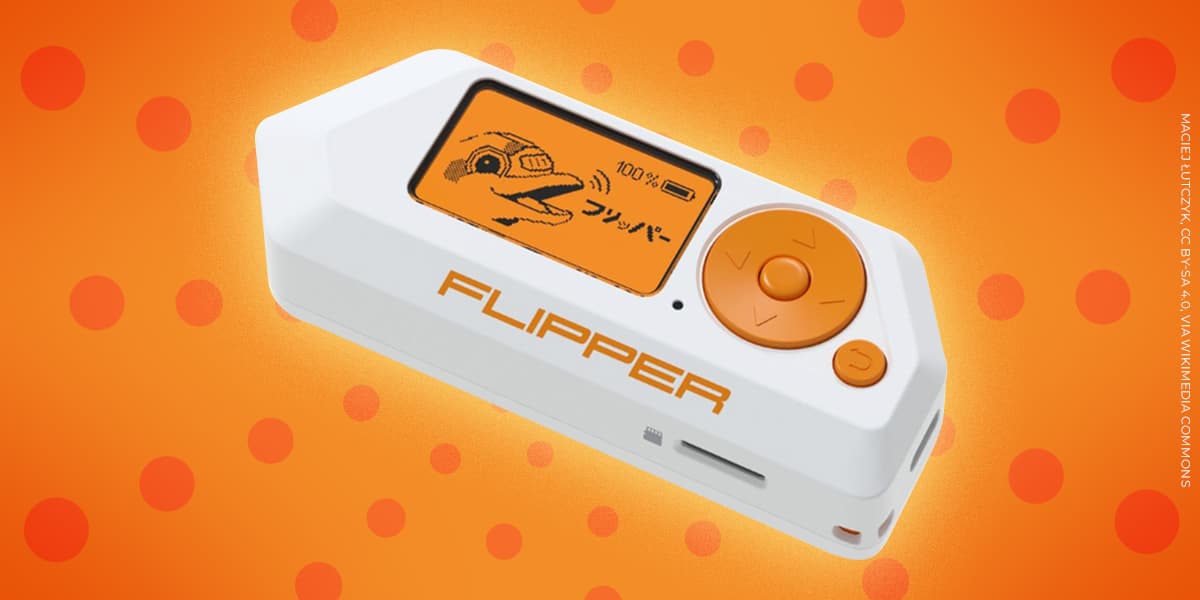
A new custom firmware for the popular Flipper Zero multi-tool device is reportedly capable of bypassing the rolling code security systems used in millions of modern vehicles, posing a significant threat of theft. Demonstrations by the YouTube channel "Talking Sasquatch" show that this firmware, said to be circulating on the dark web, can clone a vehicle's keyfob with just a single, brief signal capture. This development marks a substantial escalation in automotive cybersecurity risks.
Rolling code security has been the industry standard for vehicle keyless entry for decades, designed to prevent "prevent replay attacks." This system works by utilizing a synchronized algorithm between the keyfob and the vehicle, generating a new, unique, and unpredictable code for each transmission. An old code, once used, is rejected by the vehicle, rendering simple signal recording and re-broadcasting ineffective.
The new exploit is notably dangerous due to its simplicity; an attacker using a Flipper Zero with this firmware needs only to be within range to capture a single button press from the target's keyfob. Unlike previous complex attacks like "RollJam," which required jamming the vehicle's receiver, this method requires no jamming. From that one captured signal, the device can apparently reverse-engineer the cryptographic sequence, allowing it to emulate all keyfob functions, including lock, unlock, and trunk release, effectively creating a master key. A critical consequence is that the original, legitimate keyfob is immediately desynchronized and ceases to function.
The list of affected manufacturers is extensive, including Chrysler, Dodge, Fiat, Ford, Hyundai, Jeep, Kia, Mitsubishi, and Subaru. The vulnerability lies deep within the vehicle’s hardware-based receiver, meaning there is no easy fix like a simple software update. Experts warn that a comprehensive solution would likely necessitate a mass recall to replace physical components in affected vehicles, representing a logistical and financial challenge for the automotive industry.
Theories on how the firmware achieves this include reverse engineering the rolling code sequence, possibly aided by prior leaks of manufacturer algorithms or extensive brute-force attacks. Another theory points to a known vulnerability detailed in an academic paper called "RollBack," which involves capturing several codes and replaying them in a manipulated order to trick the vehicle’s synchronization counter. Security experts are urging manufacturers to harden future systems and for vehicle owners to be aware of this evolving threat.