Prompt Engineer Role Sees Divergent Market Trends and Evolving Definition
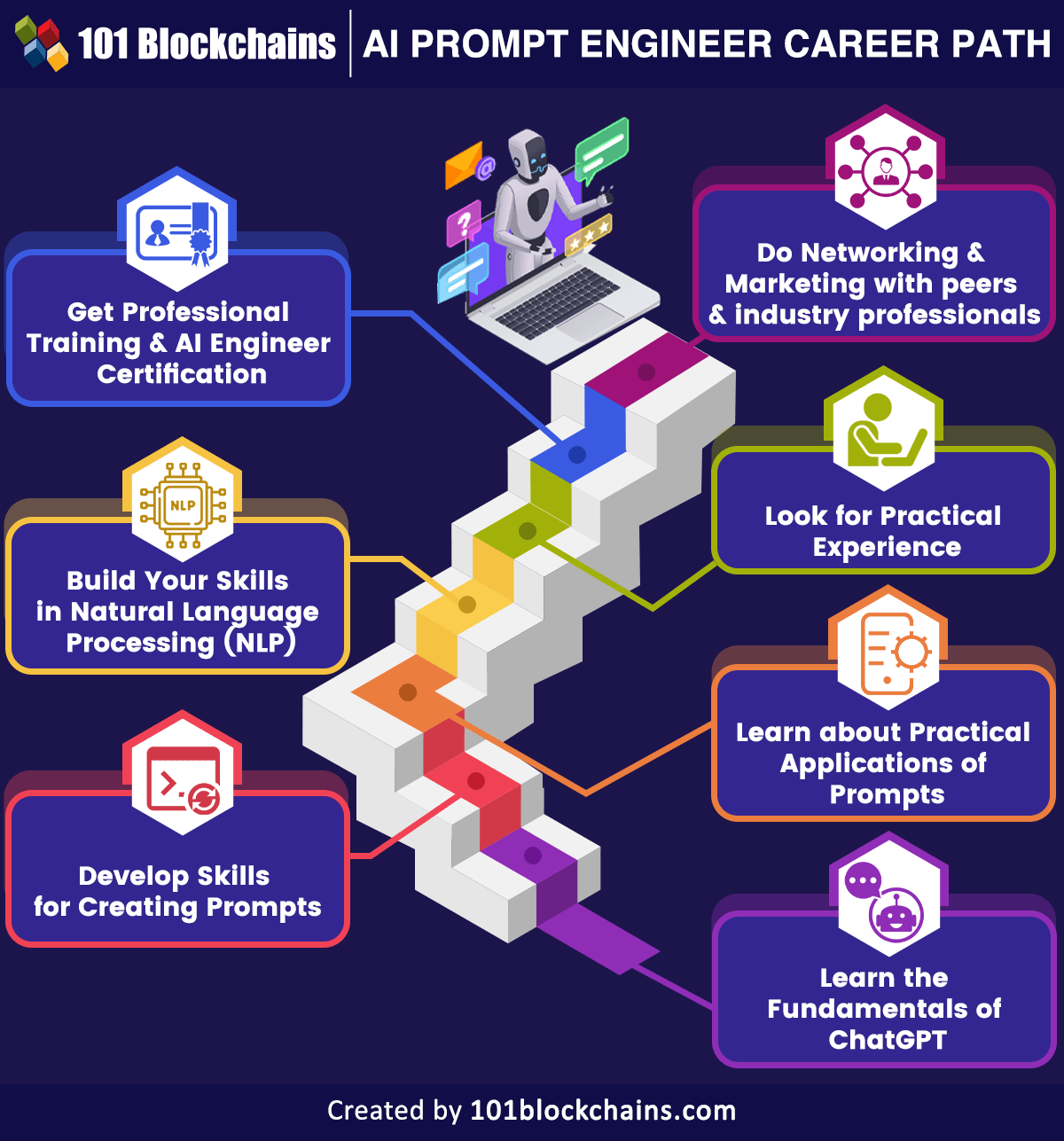
The role of a "prompt engineer," once heralded as a burgeoning career path within the artificial intelligence sector, is now experiencing a complex and divergent evolution in the job market. This shift prompts reflection on the initial enthusiasm for the position, as noted by Wally Nowinski, who tweeted, > "Remember the two month period when people insisted that 'prompt engineer' was going to be a major employment sector, like typist in the 1950s." This sentiment reflects a growing debate about the long-term viability of dedicated prompt engineering roles.
Initially, the emergence of large language models (LLMs) in 2023-2024 sparked a high demand for prompt engineers, often dubbed "AI whisperers," who could craft precise instructions to elicit desired AI outputs. Companies like Anthropic made headlines with job postings offering salaries up to $335,000 for these specialists. The global market for prompt engineering is projected to grow at a compound annual growth rate (CAGR) of 32.8 percent between 2024 and 2030, according to Grand View Research, indicating significant continued expansion in the broader field.
However, as AI models have matured, their ability to understand and respond to less precise prompts has improved, leading some to question the necessity of a dedicated prompt engineering role. Microsoft's Chief Marketing Officer of AI at Work, Jared Spataro, remarked, "you don’t have to have the perfect prompt anymore." A recent Microsoft survey reportedly ranked prompt engineer roles second to last among new positions companies are considering, suggesting a decline in the need for this specific title.
Despite these observations, the core skills of prompt engineering are not disappearing but rather integrating into broader roles. Companies are increasingly upskilling their existing workforce in AI interaction, with the democratization of AI knowledge through platforms like OpenAI Academy. While dedicated prompt engineer roles may plateau, related positions such as AI Trainer, AI Data Specialist, and AI Security Specialist are seeing a surge in demand, reflecting a shift towards more technical and strategic AI applications.
The market presents conflicting signals, with some regions, like the UK, reporting a significant surge in demand for AI prompt engineers, with job listings increasing by 180-209% in the past year, and average salaries reaching £72,500. This suggests that while the specific job title might evolve or be absorbed, the fundamental skill of effectively communicating with AI systems remains crucial across diverse industries, becoming a foundational capability for many professionals.