Teamsters and Rep. Ro Khanna Advocate for Human Operators in Autonomous Vehicles Amidst Safety and Job Concerns
A recent social media post by tech investor Peter Kazanjy has reignited discussions around the contentious debate surrounding autonomous vehicles (AVs), particularly the stance of labor unions and political figures. Kazanjy stated in his tweet, "Just a reminder that your friends in the Teamsters and their supporters (@RoKhanna) would rather see you dead from a car collision than allow autonomous vehicles to rapidly deploy." This comment underscores the sharp divide between proponents of rapid AV deployment and those advocating for stricter regulations and human oversight.
The International Brotherhood of Teamsters has consistently voiced strong opposition to the widespread deployment of fully autonomous vehicles without human operators. The union's concerns primarily center on public safety risks and the potential for massive job displacement within the trucking and transportation industries. Teamsters General President Sean O'Brien has testified before Congress, asserting that "allowing the unfettered and unregulated operation of autonomous vehicles — ultimately seeking to replace human drivers with robots — is unequivocally a threat to safety on our roadways and the existence of good jobs in the trucking industry."
Representative Ro Khanna (D-Calif.), whose district includes parts of Silicon Valley, has publicly aligned himself with the Teamsters' position. He has advocated for legislation requiring human drivers in autonomous trucks, emphasizing the need to prioritize workers and safety over unchecked technological advancement. Khanna supported a California bill, AB 316, which would have mandated human safety operators in heavy-duty autonomous vehicles, and criticized Governor Gavin Newsom's veto of similar legislation, stating, "This is what enrages the working class in this country, that you have big donors that are influencing these decisions."
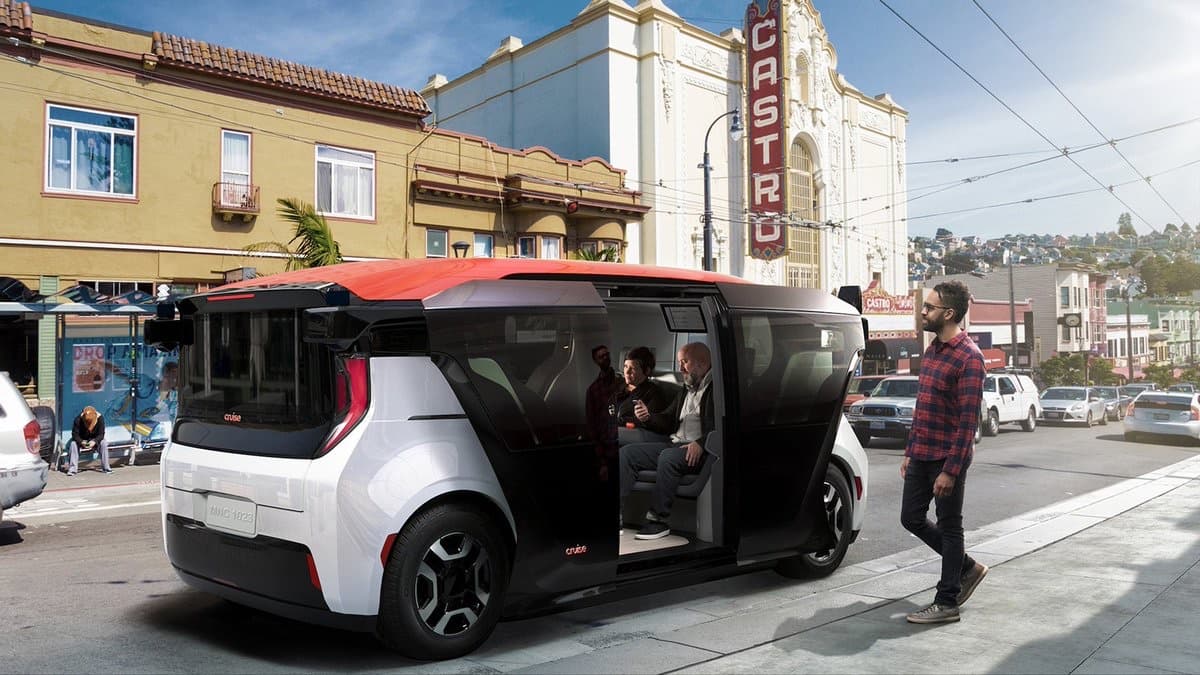
The debate extends beyond job security, encompassing significant safety concerns. While AV proponents, like Kazanjy, often highlight the potential for AV to reduce accidents, unions and safety advocates point to incidents involving robotaxis, such as those in San Francisco, which have raised questions about their reliability and ability to navigate complex urban environments. The Teamsters have actively lobbied in states like Massachusetts, Kentucky, and Nevada, pushing for ordinances and bills that would require human operators in all commercial autonomous vehicles, citing instances of gridlock, stalled vehicles, and accidents in cities where AVs have been deployed.
The core of the disagreement lies in balancing technological innovation with worker protections and public safety. While companies like Waymo argue that autonomous technology can make transportation safer and more accessible, unions and their political allies contend that the technology is not yet mature enough for full autonomy and that human judgment, empathy, and quick decision-making remain indispensable for safe operation on public roads.